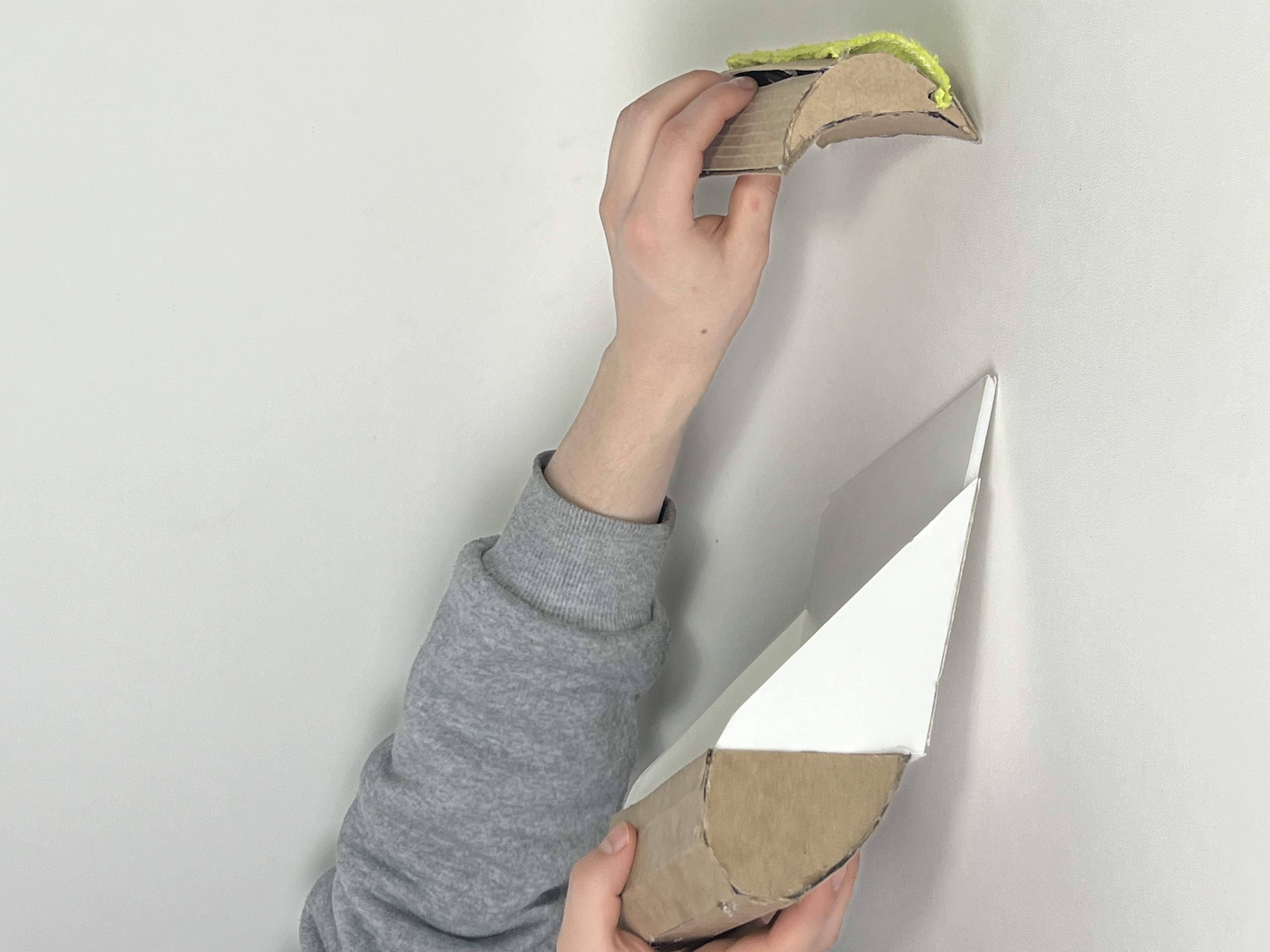
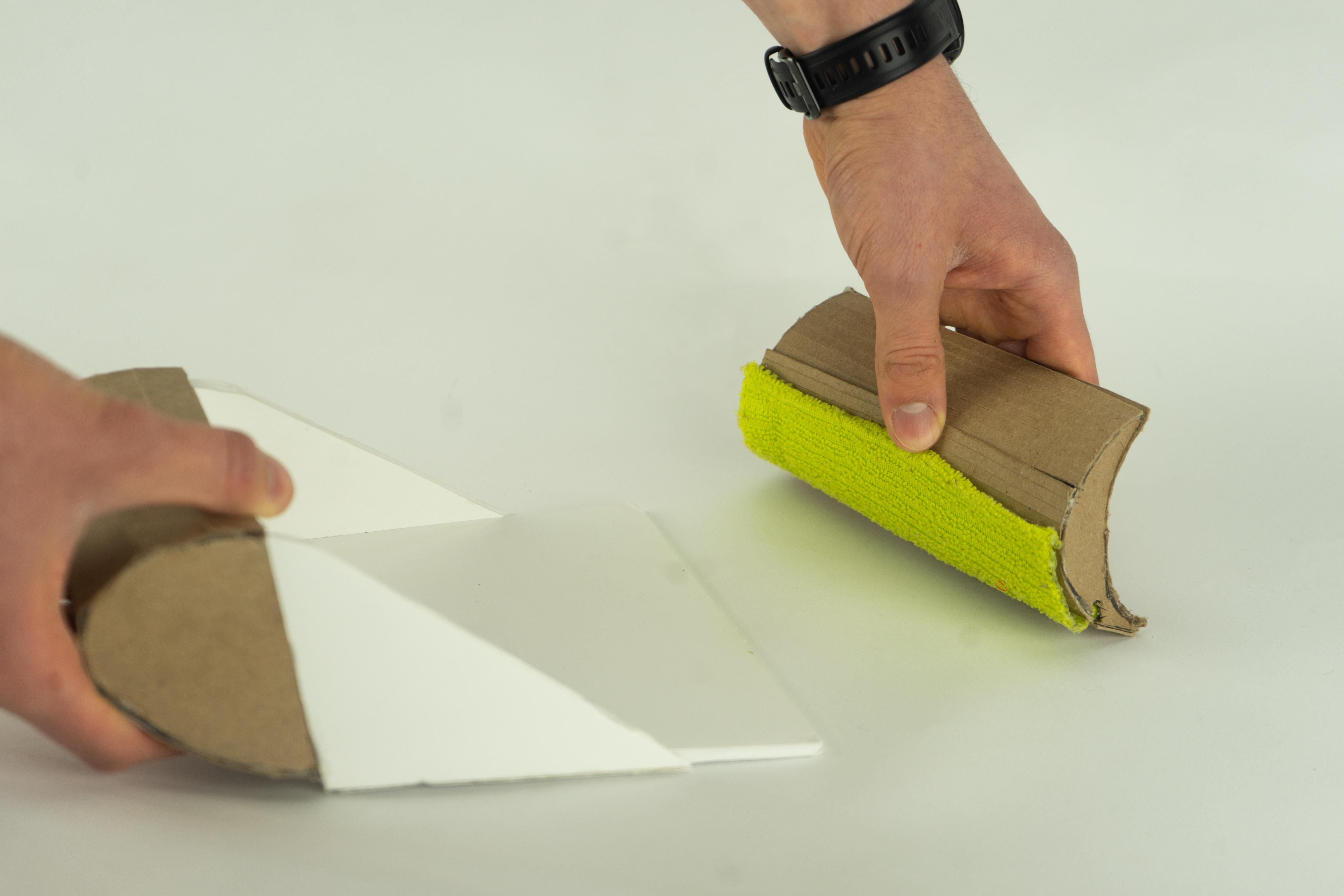
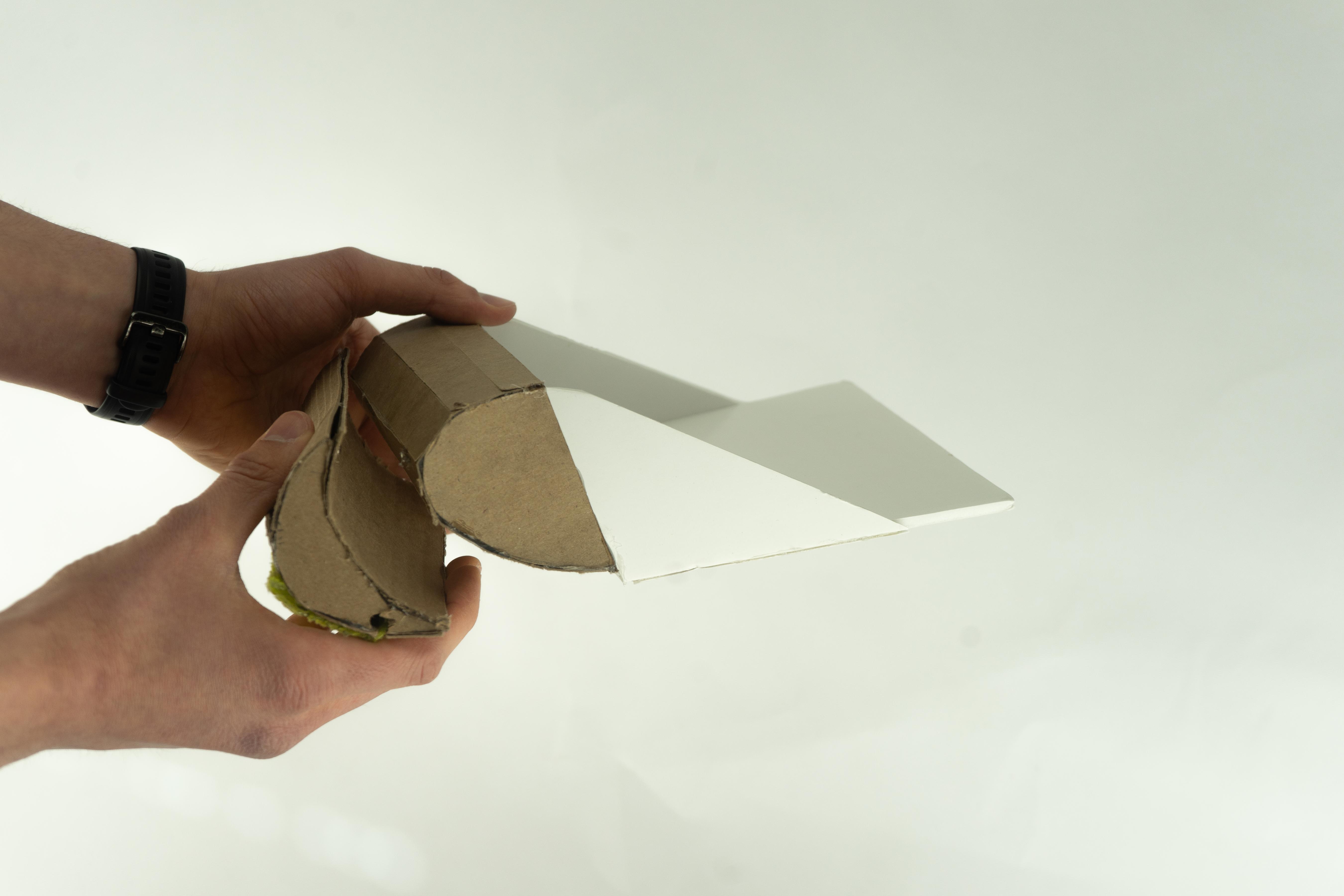
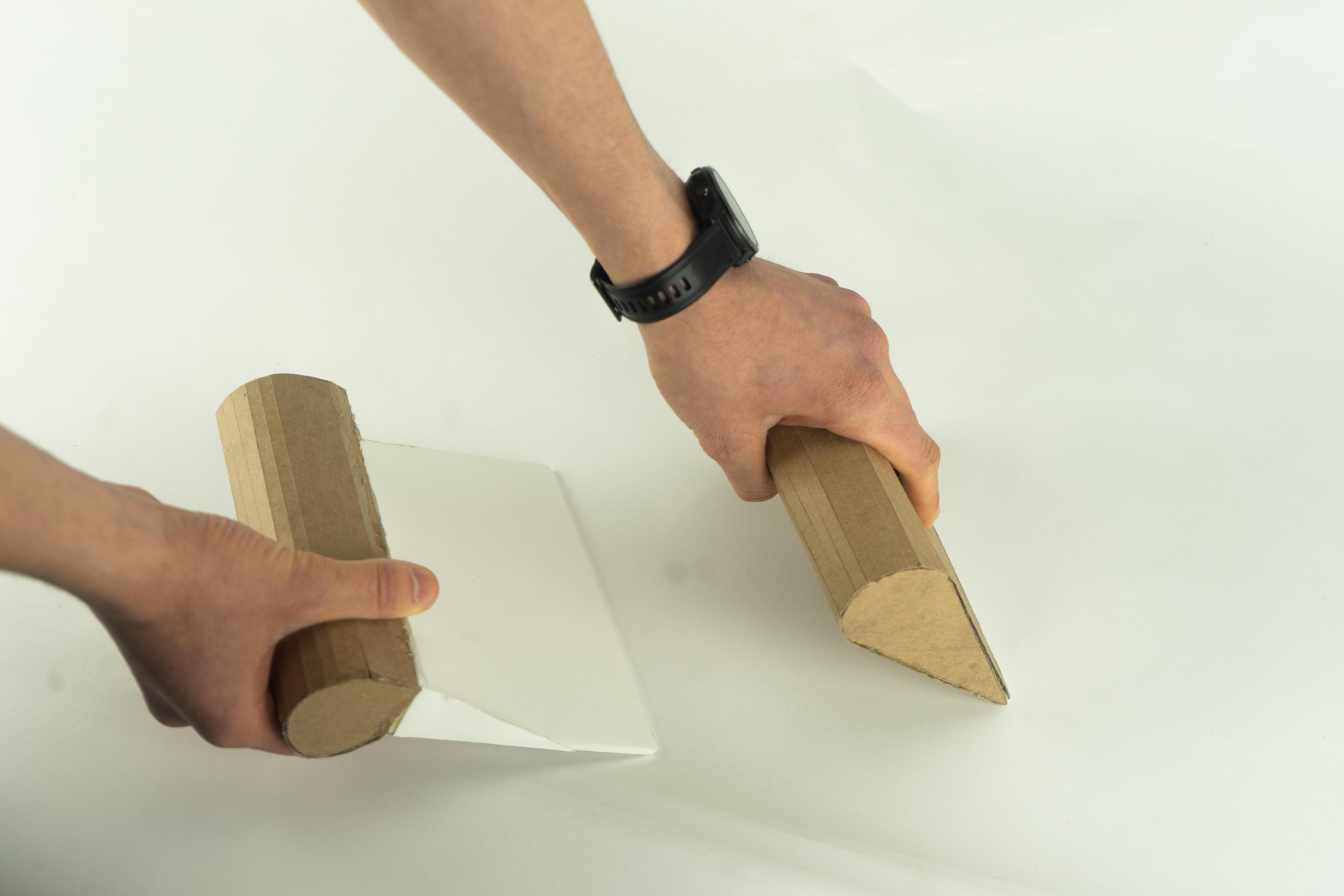
A countertop scraper and collector system exploring nesting geometry, material contrast, and cohesive form language.
The Brief
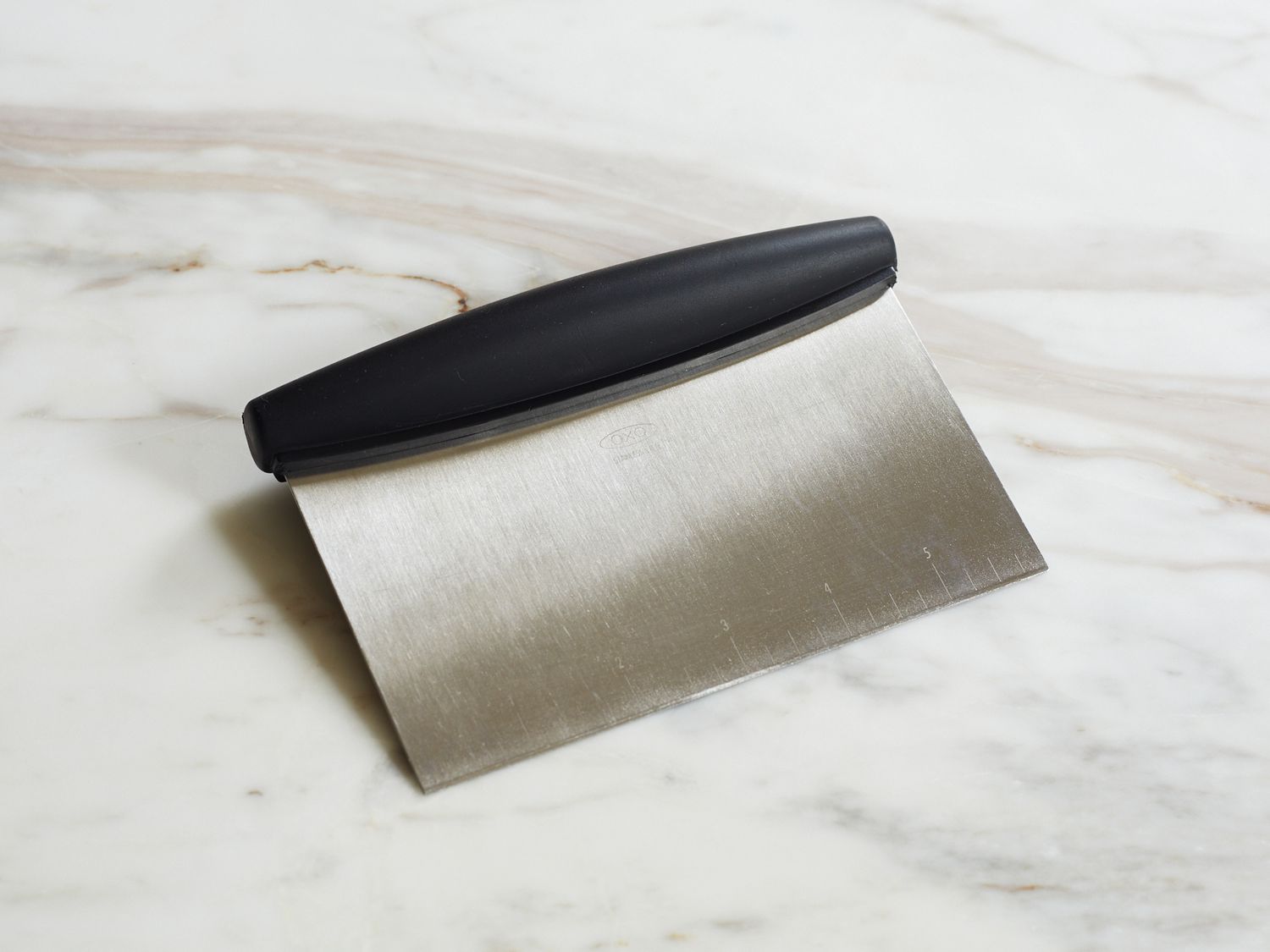
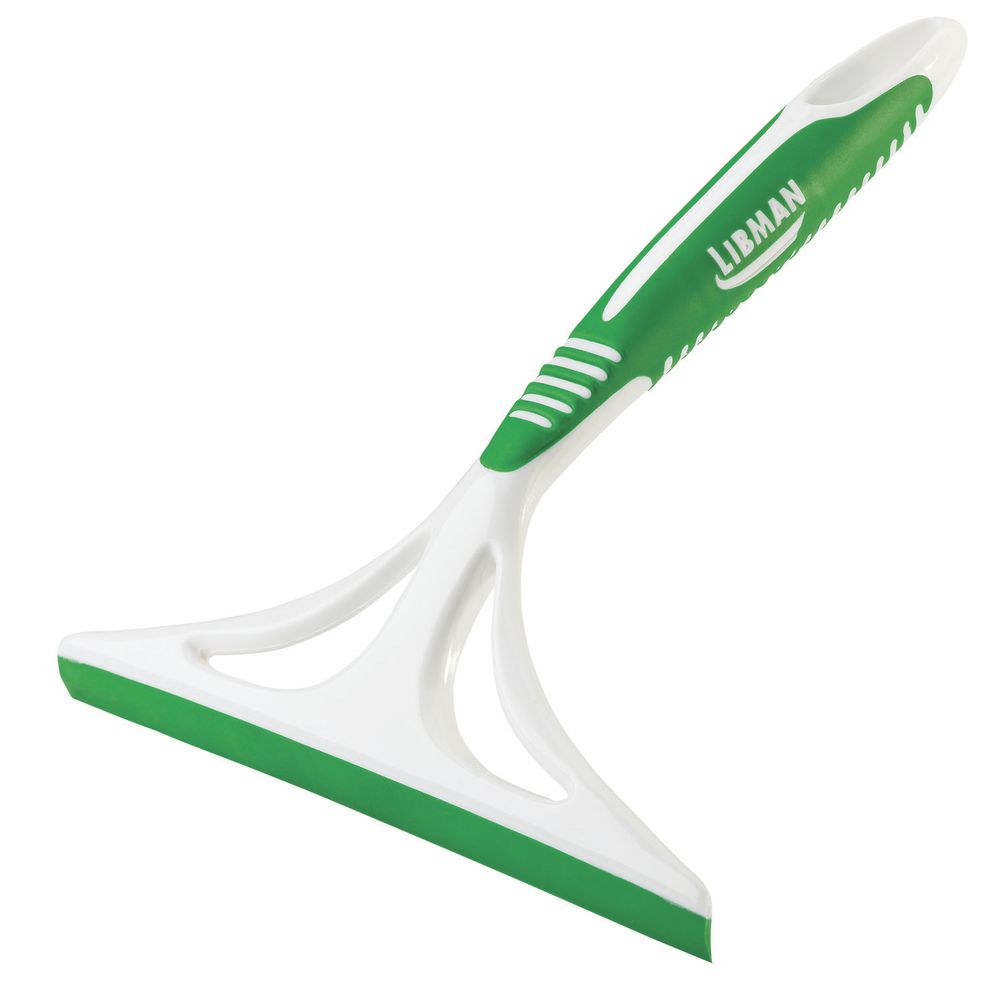
The brief called for a countertop scraper and debris collector — a product that sits at the intersection of utility and everyday aesthetics. The challenge was to create something that handles the unglamorous job of sweeping counters while looking like it belongs there.
The project focused on nesting geometry, material contrast (wood handle vs. polystyrene collector), and cohesive form language across two parts that need to work together and store together.
Material strategy
Wood is warm and tactile — better for the handle. Polystyrene is clean and easy to wipe — better for the collector.
Key constraint
Replaceable blade to extend product life without replacing the whole unit.
01 — Research
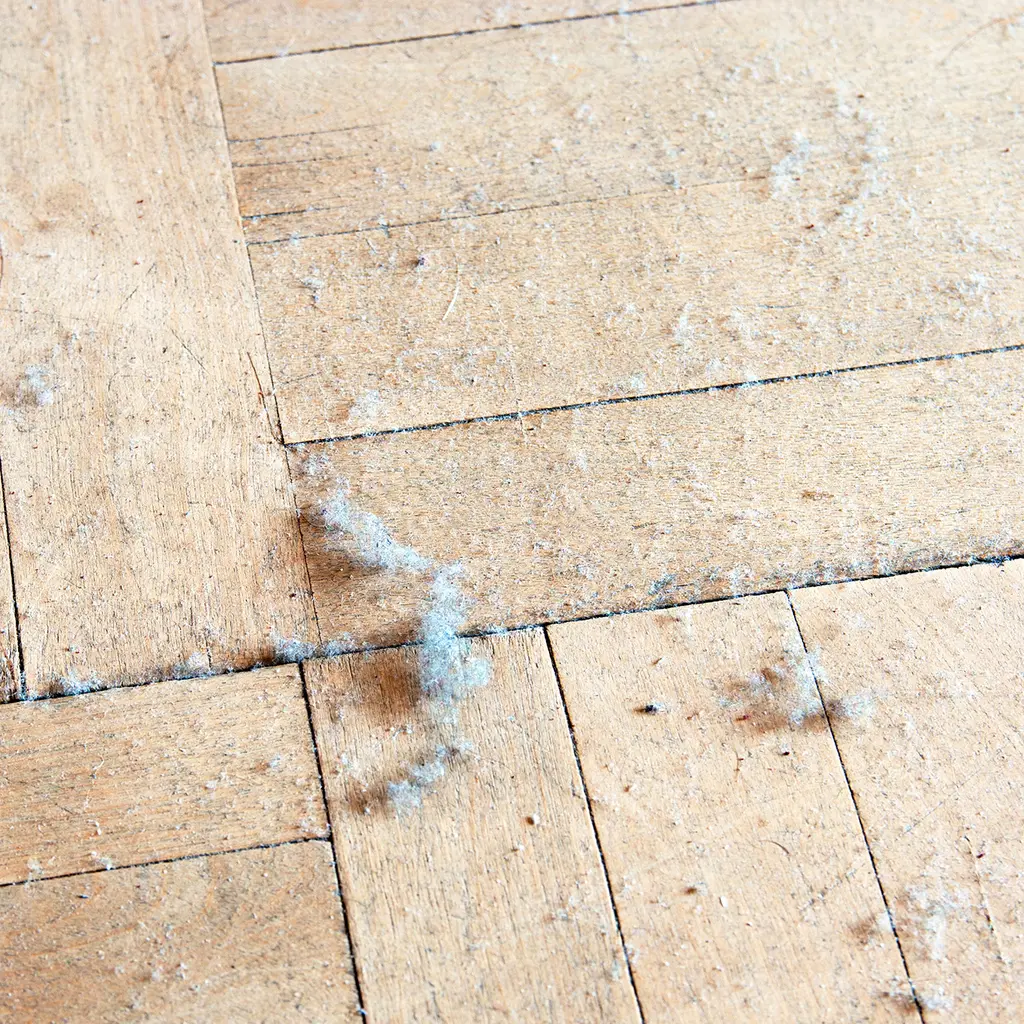
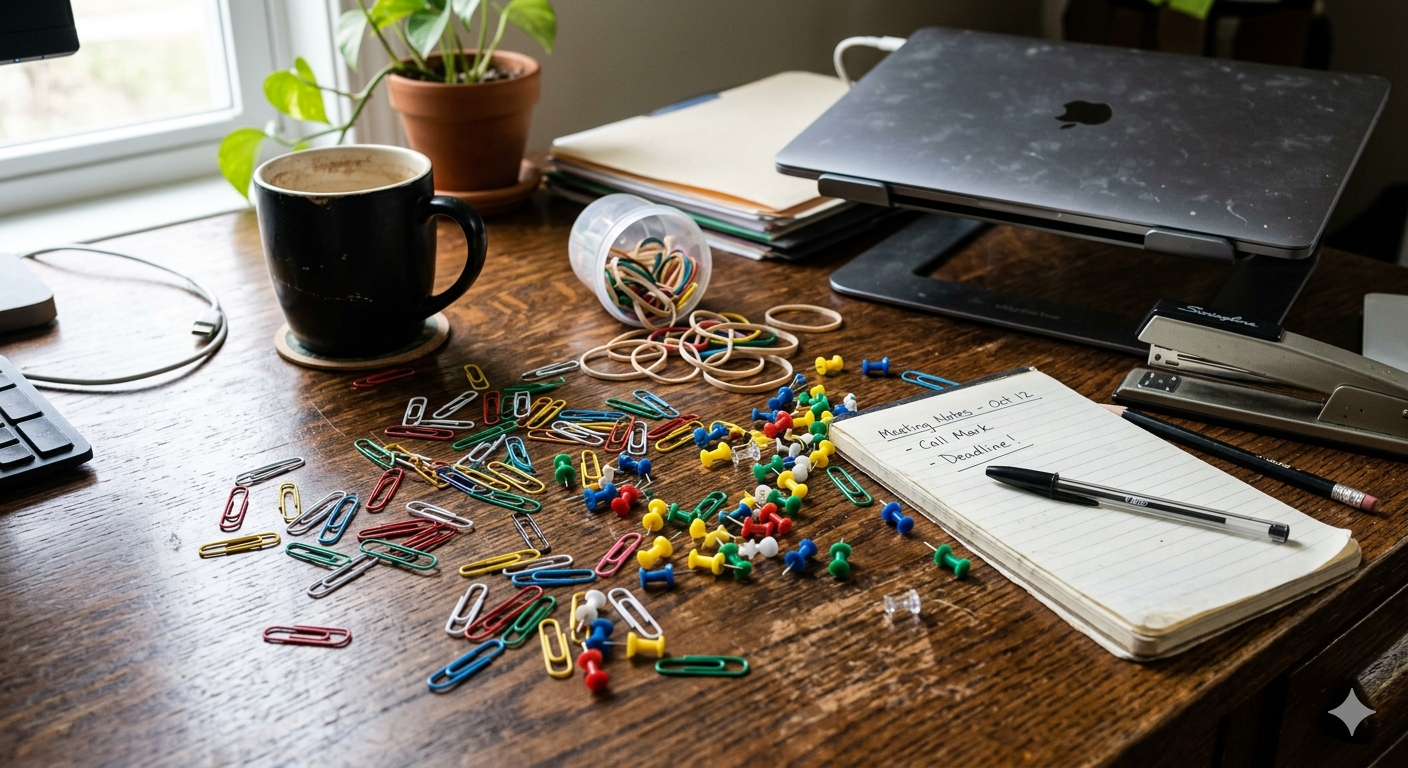
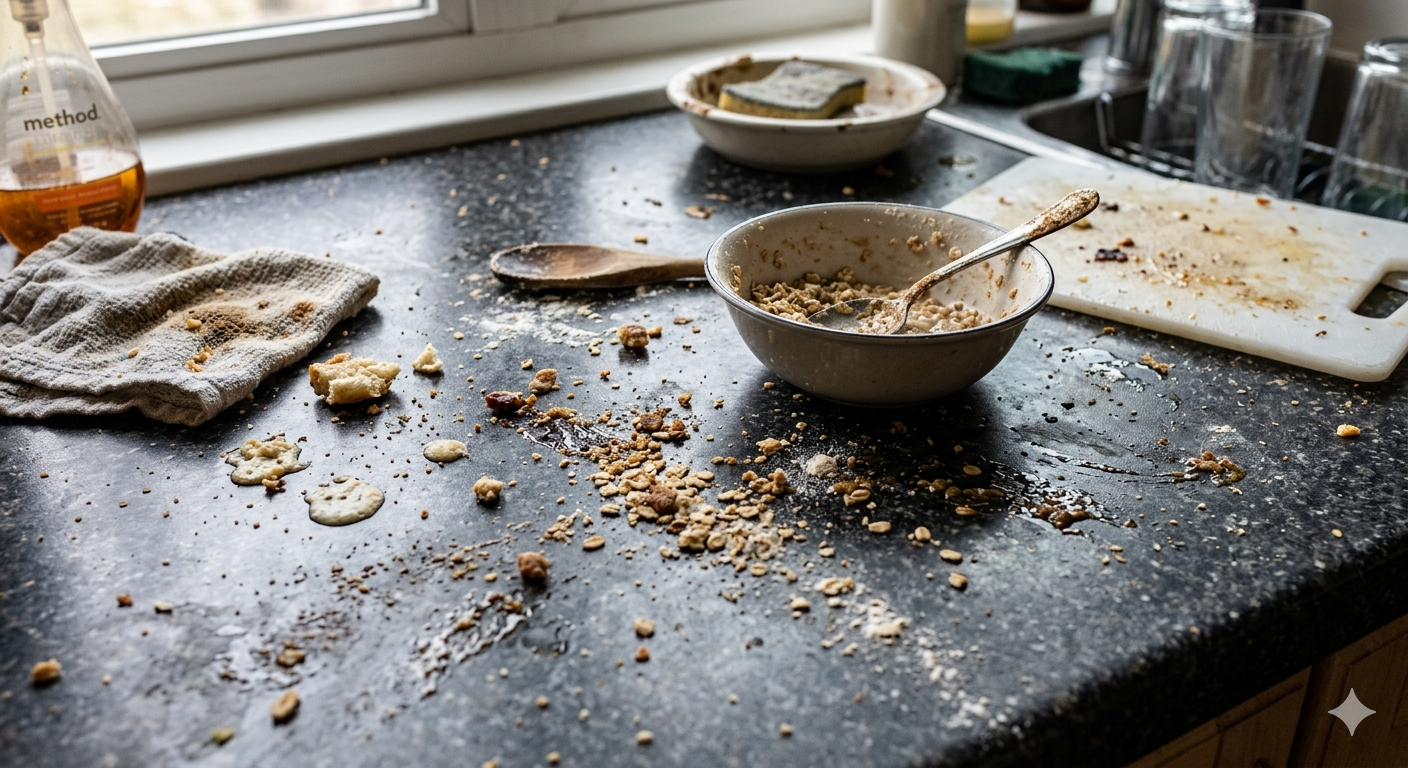
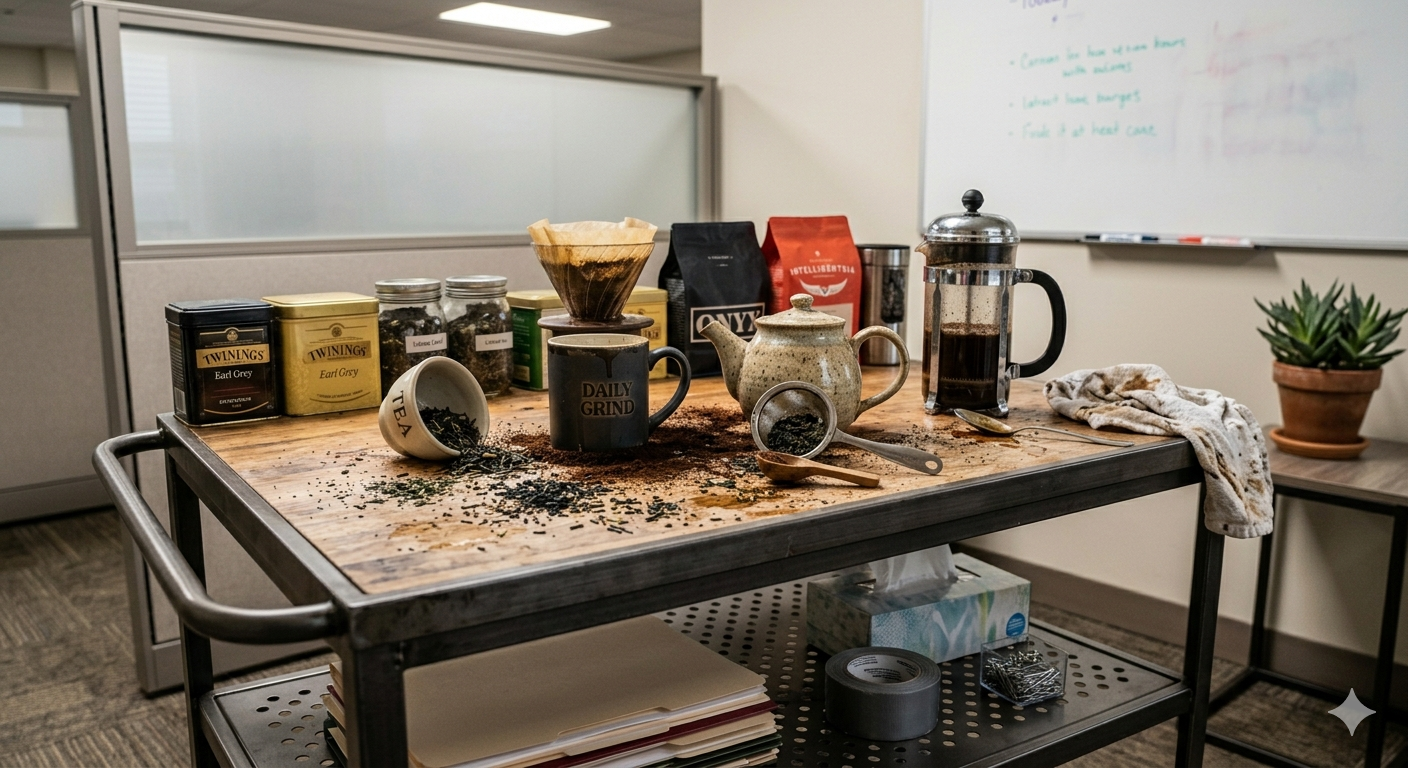
Mapping where debris accumulates and what tools currently exist to address it.
Surfaces
Contexts
Existing tools
02 — Development
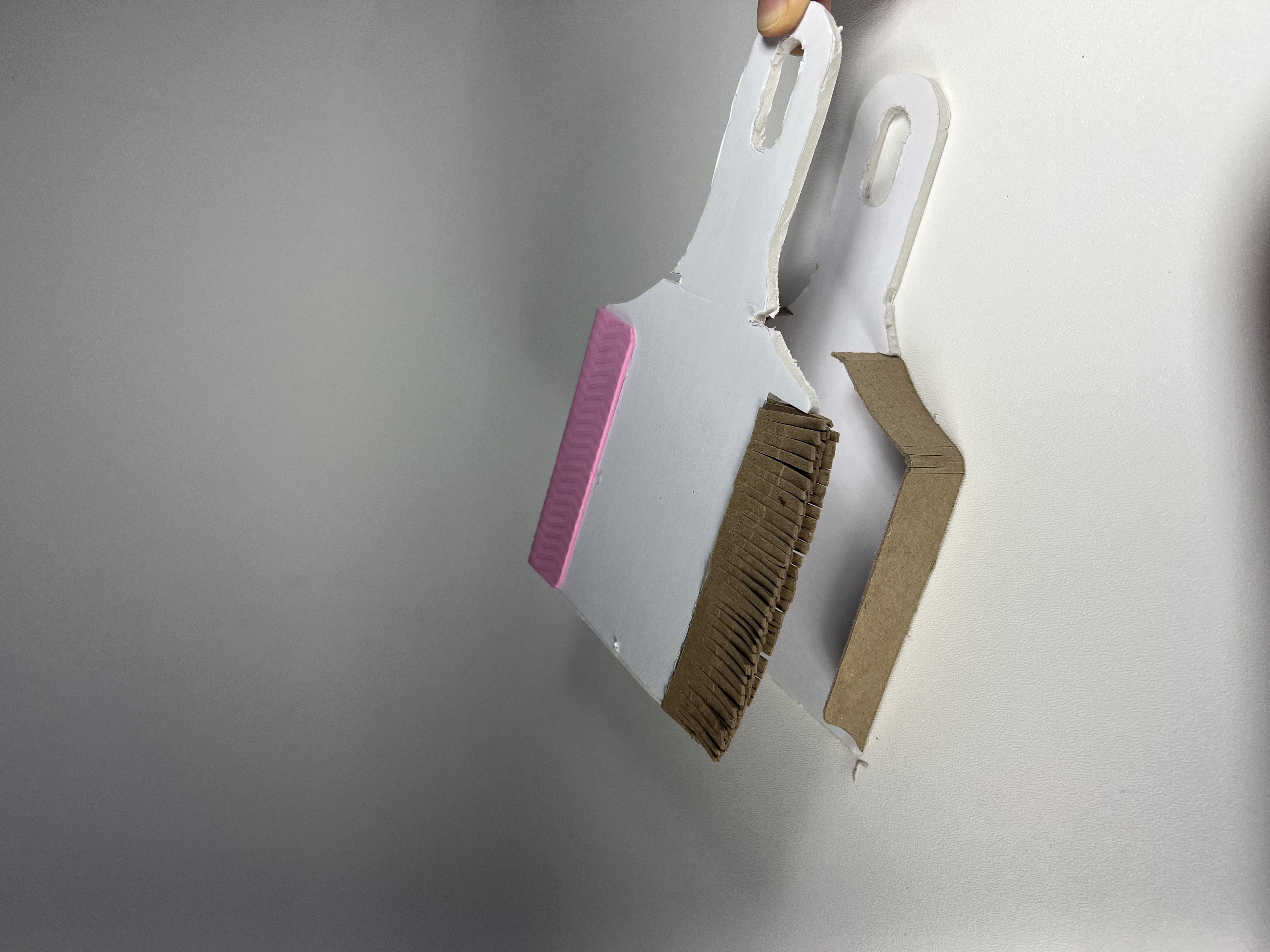
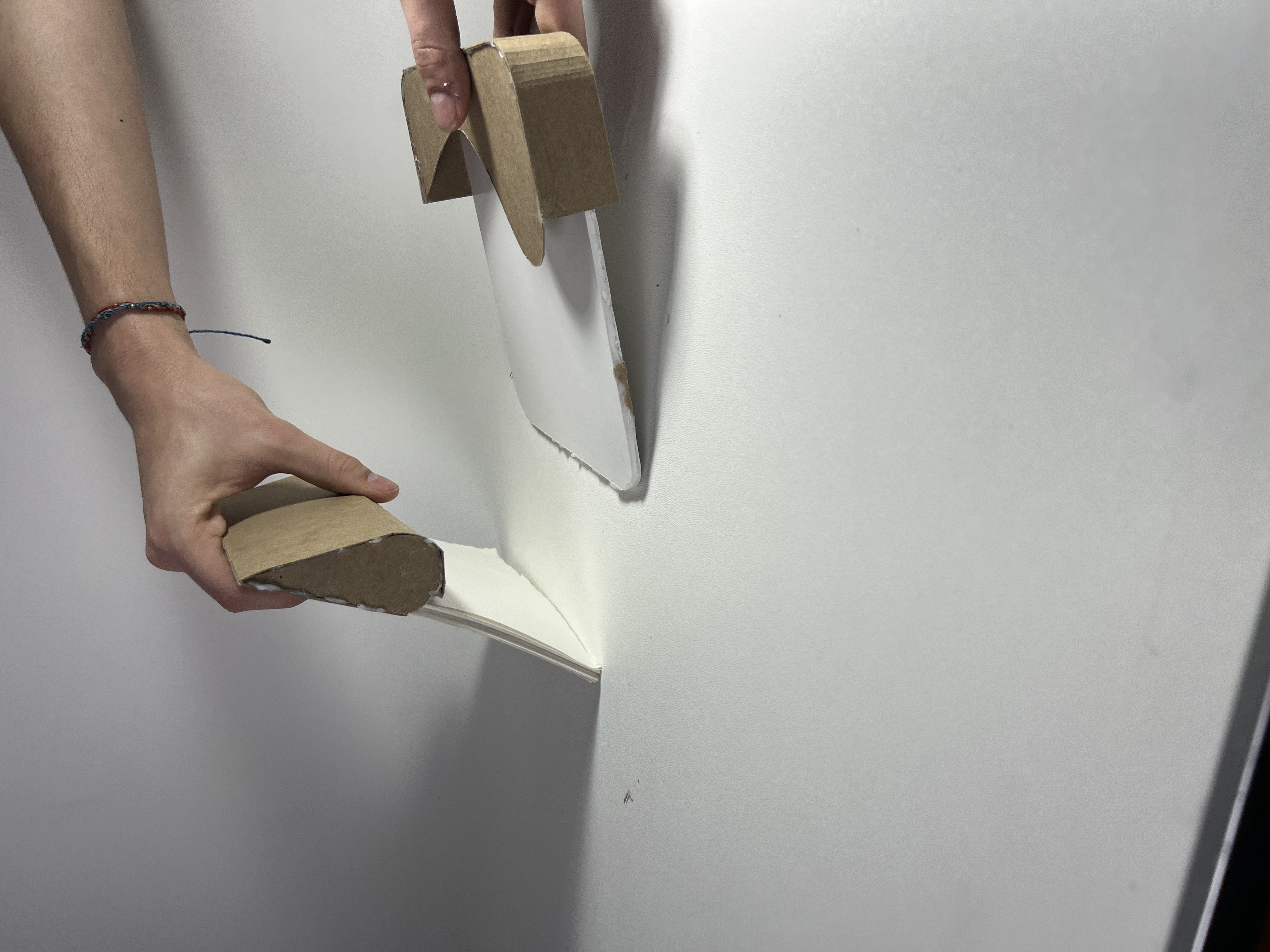
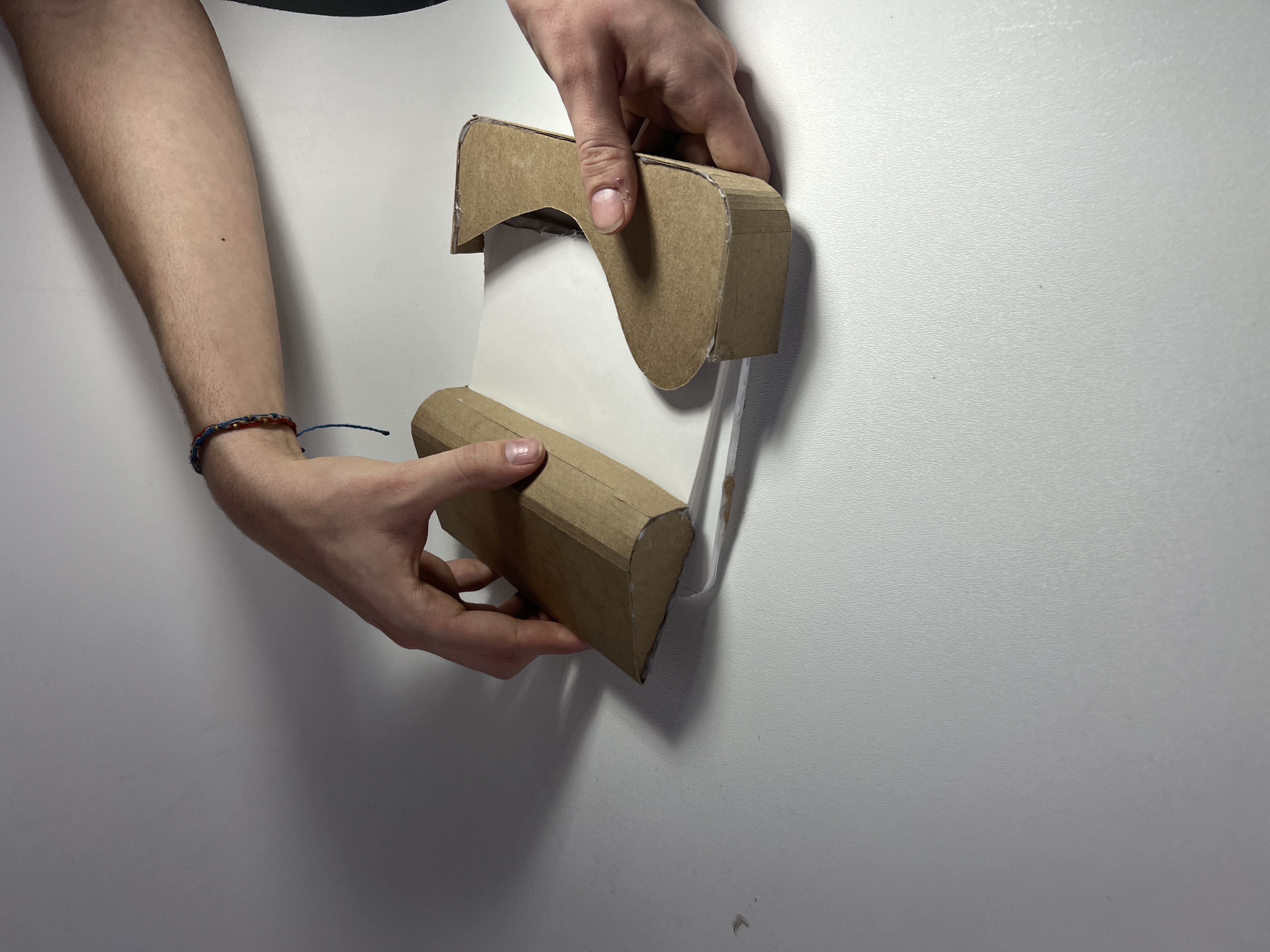
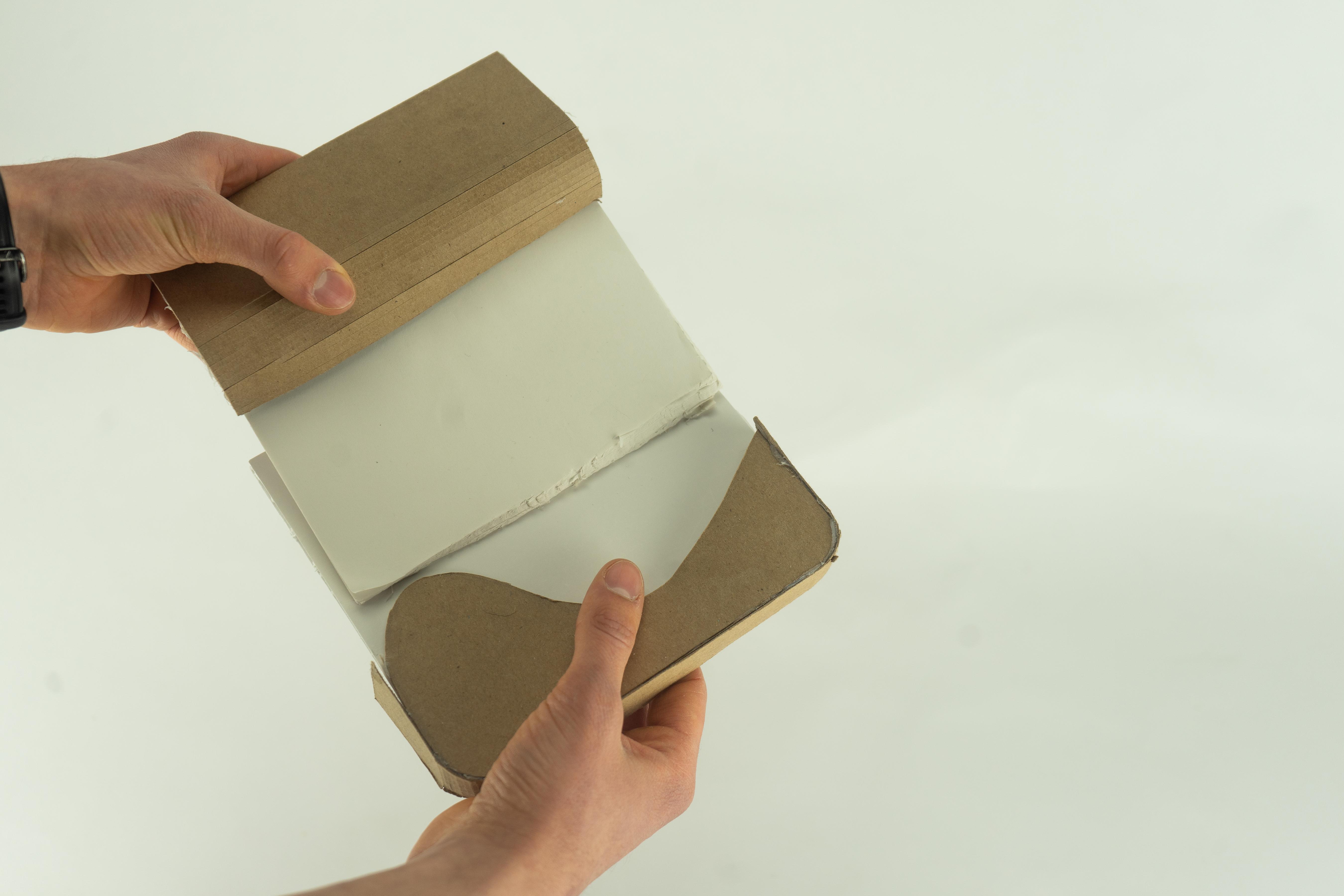
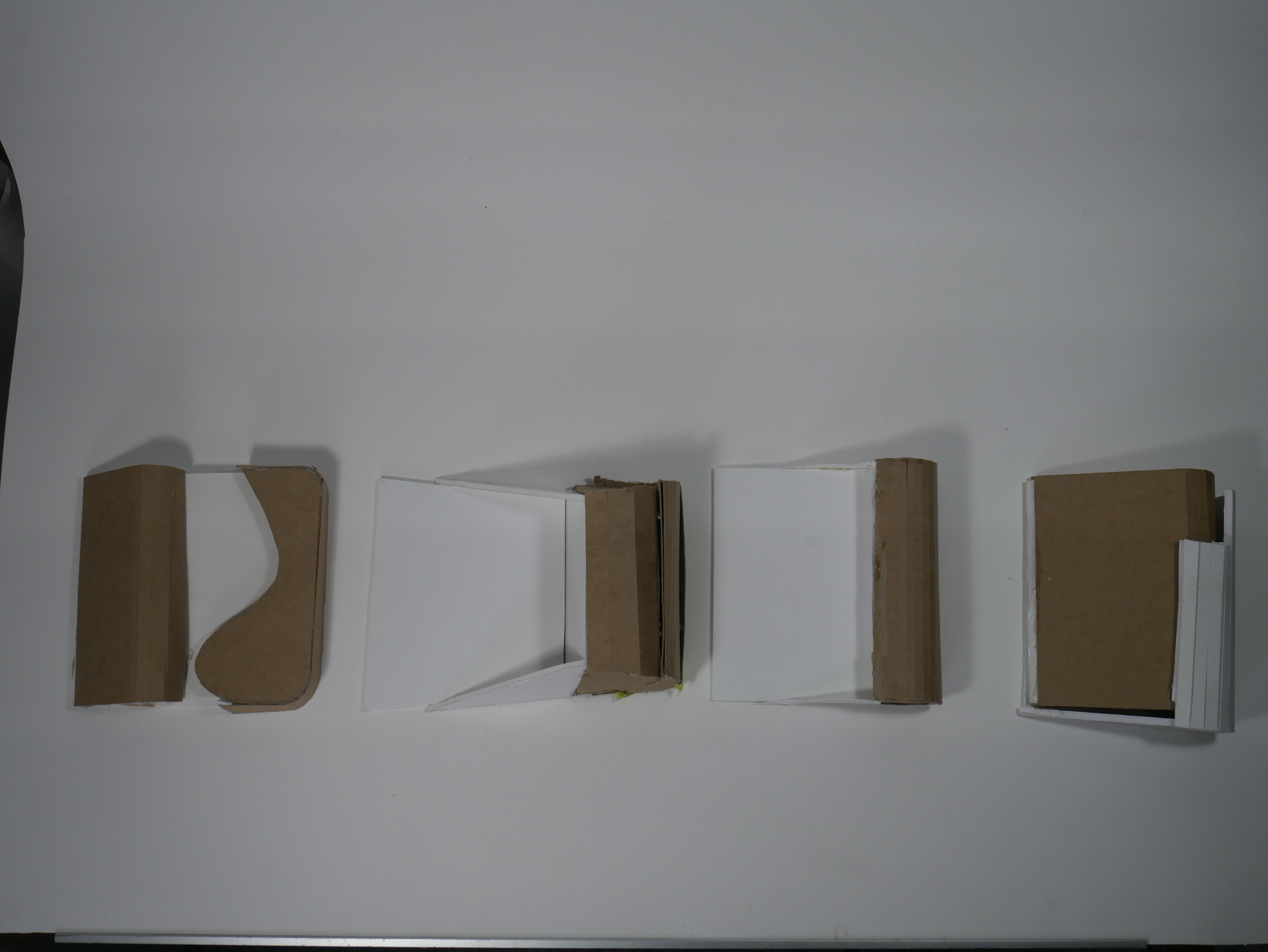
Each physical prototype was made, tested, critiqued, and improved. The annotations track the reasoning behind each form decision.
Model 1 — prototype
Early sketches — first form explorations
First pass
Too busy. No form cohesion. Clunky to use. No ergonomic consideration. The result felt expected — nothing differentiated it from what already exists.
Needs full rethinkModel 2 — prototype
Wave form inspiration — sketching the swoop geometry
Wave geometry introduced
Better form and more cohesion, but the two parts don't connect securely. The sweeper blade won't tackle stuck-on grime. The nesting relationship needs a physical solution.
Better directionModel 3 — prototype
Model 3 sketching — reducing features
Feature fatigue
Too many features added — keep it one thing and do it well. The ergonomic curve for the hand is right. Magnets for connection feel hokey and add cost without improving the experience.
Model 4 — prototype
Model 4 sketching — refining the swoop
The Wave — resolved
Bring the swoop down further. Add a bigger lip to the collector. Soften the swoop curve. Replaceable blade system confirmed — the right call for longevity.
03 — Construction
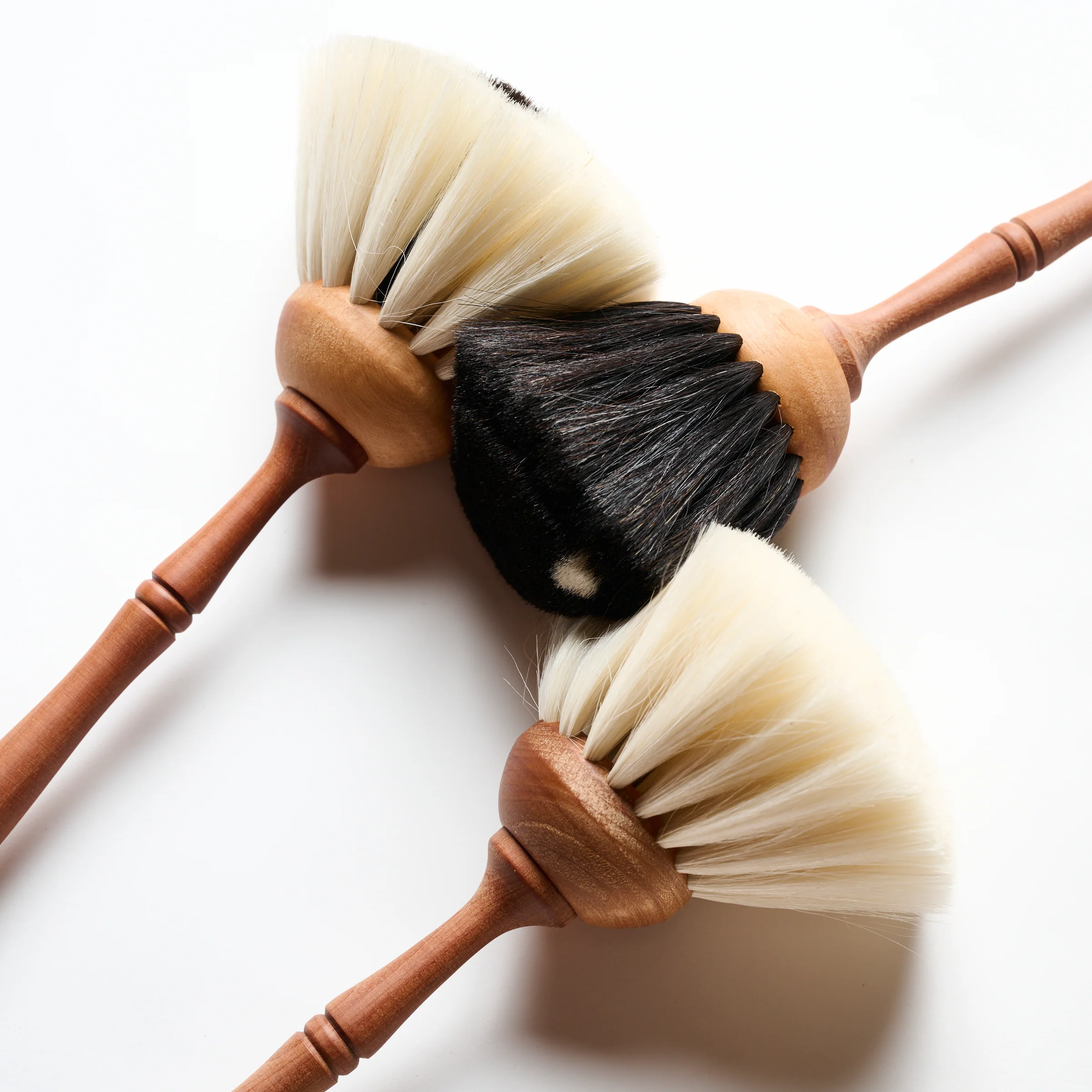
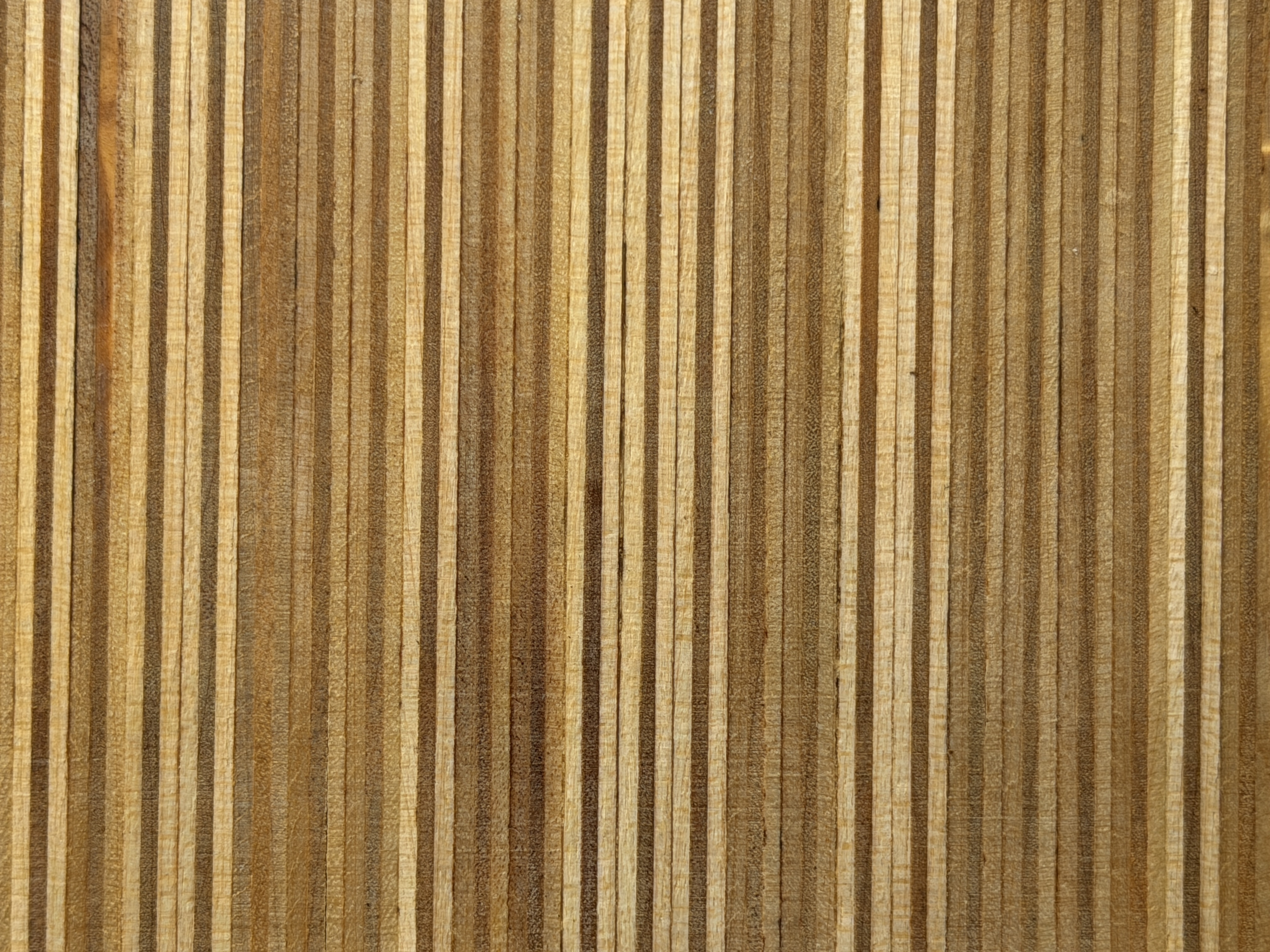
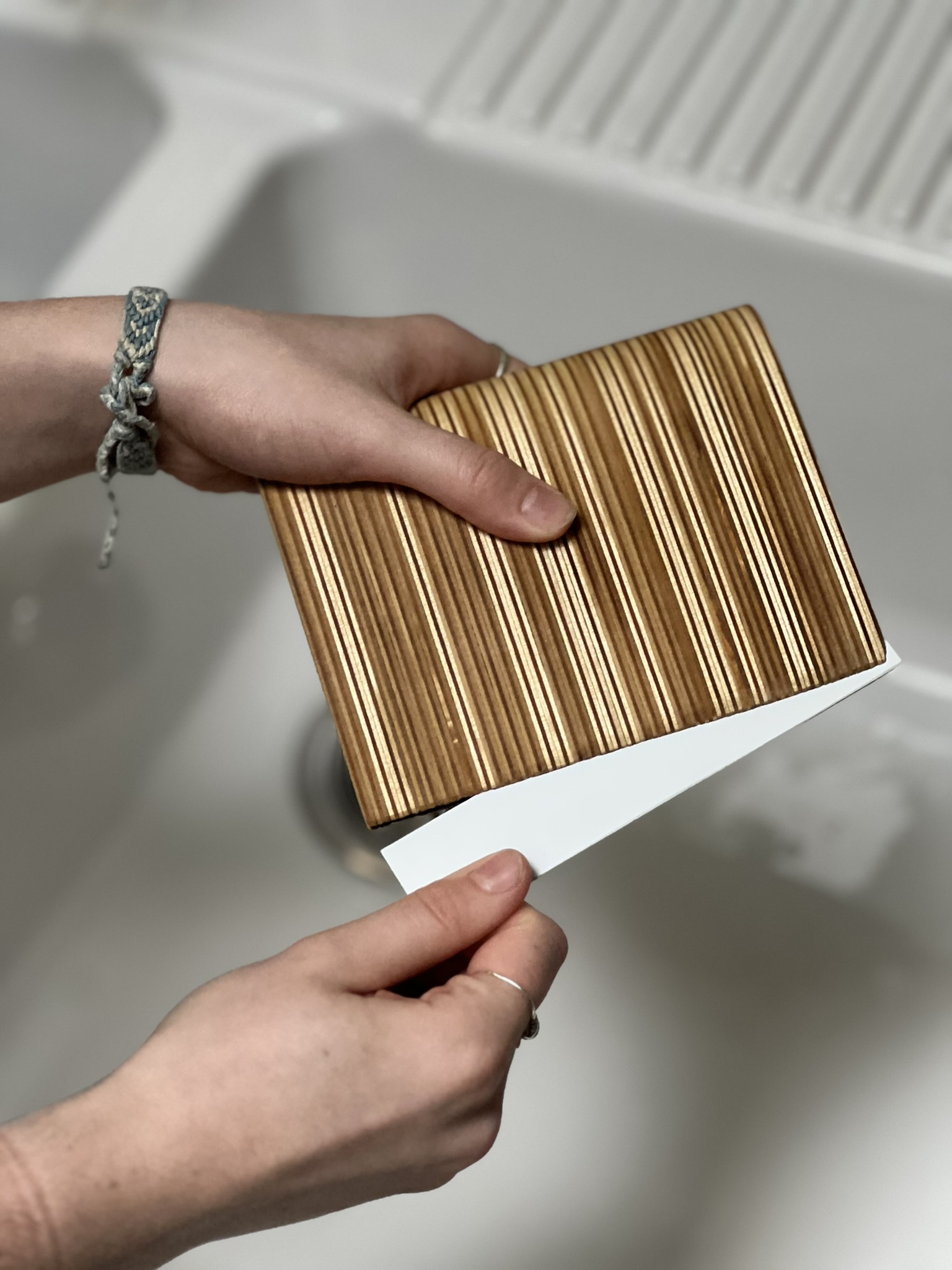
The handle is laser-cut from birch plywood butcher block — it fits the kitchen environment, is affordable, and contrasts cleanly against the polystyrene collector body.
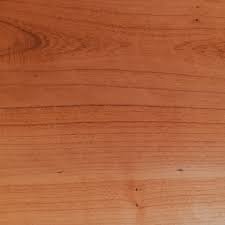
Wood finalists were evaluated for warmth, tactility, grain pattern, and how well they read against a clean white collector.
Final decision
Birch ply butcher block
Fits the kitchen environment, affordable to source, contrasts well with clean PS collector.
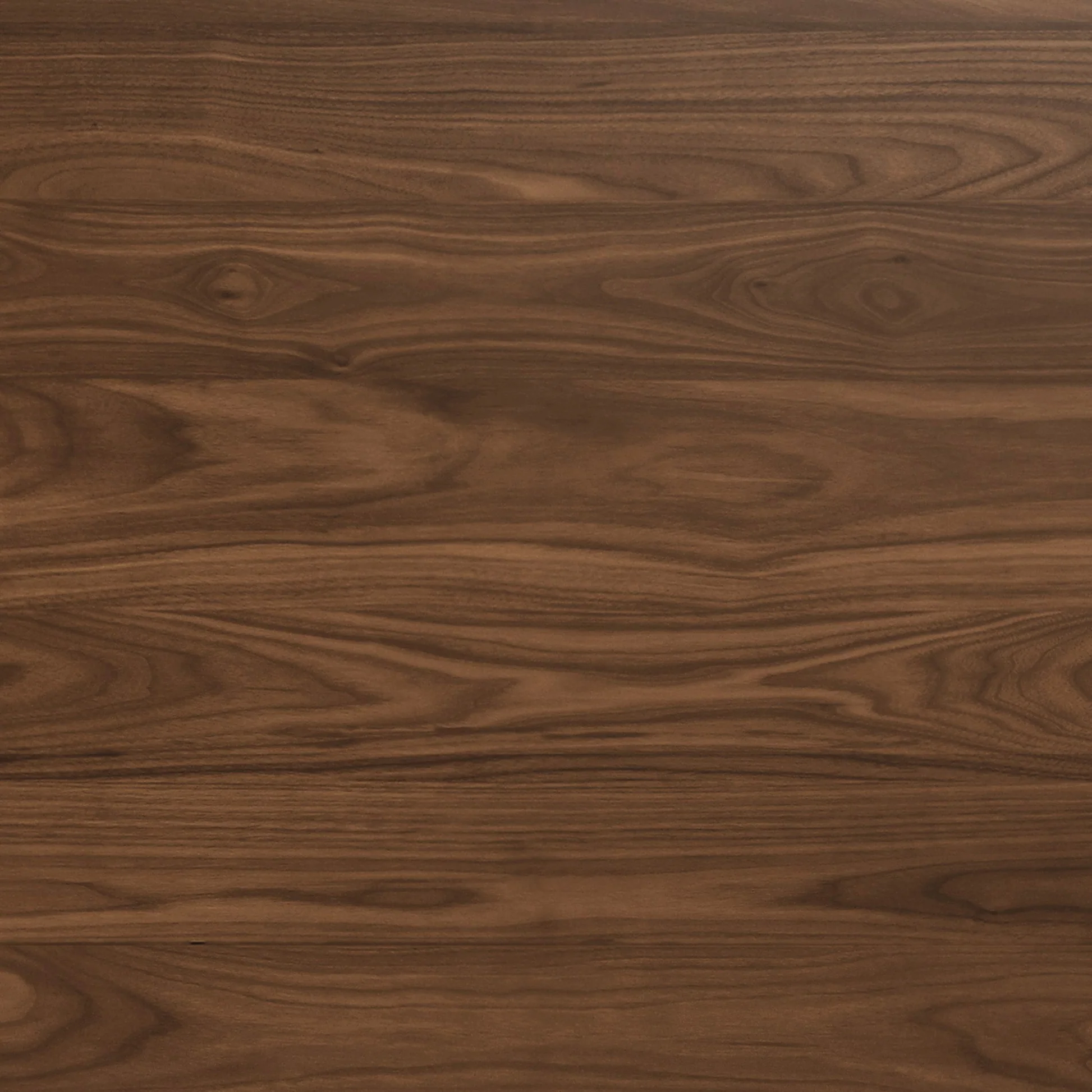
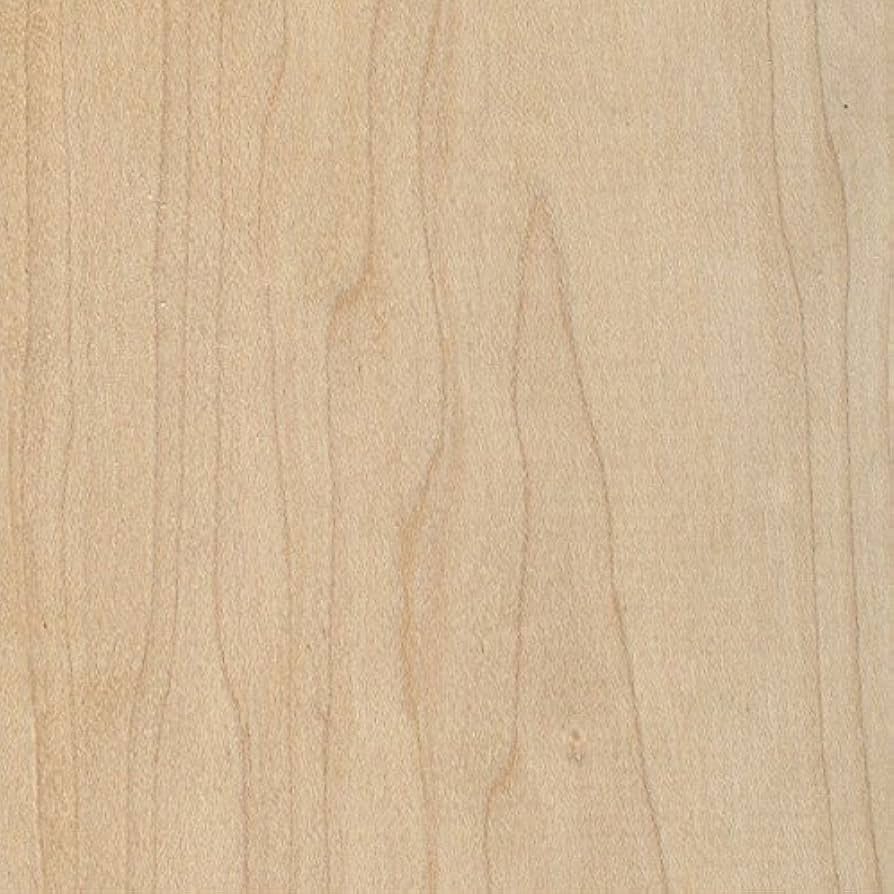
Wood candidates evaluated
Cherry
Rich, warm reddish tone
Walnut
Dark, high contrast
Butcher block ✓
Natural, kitchen-native
Maple
Pale, subtle grain
04 — Final Design
Replace the blade — not the whole product
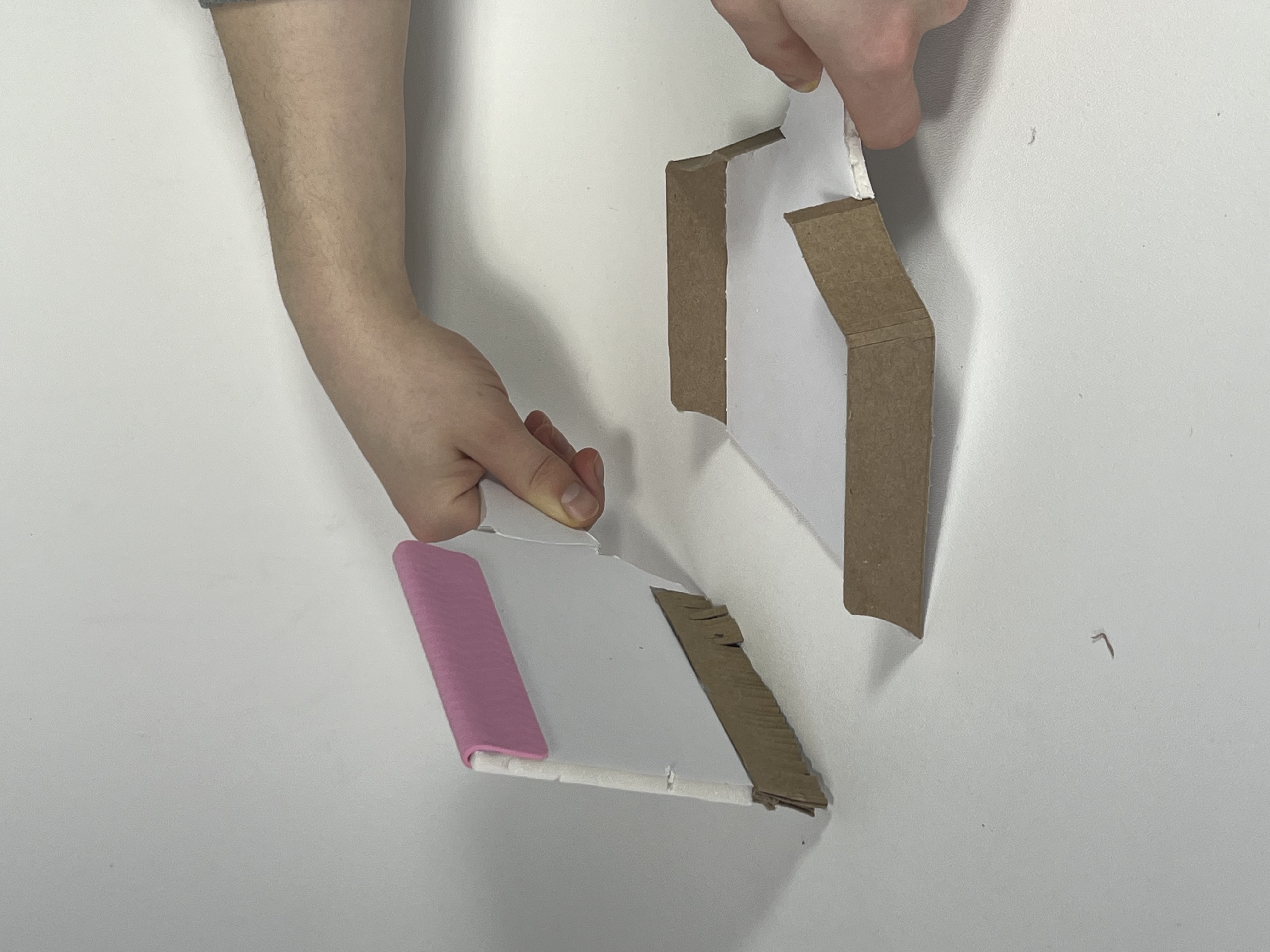
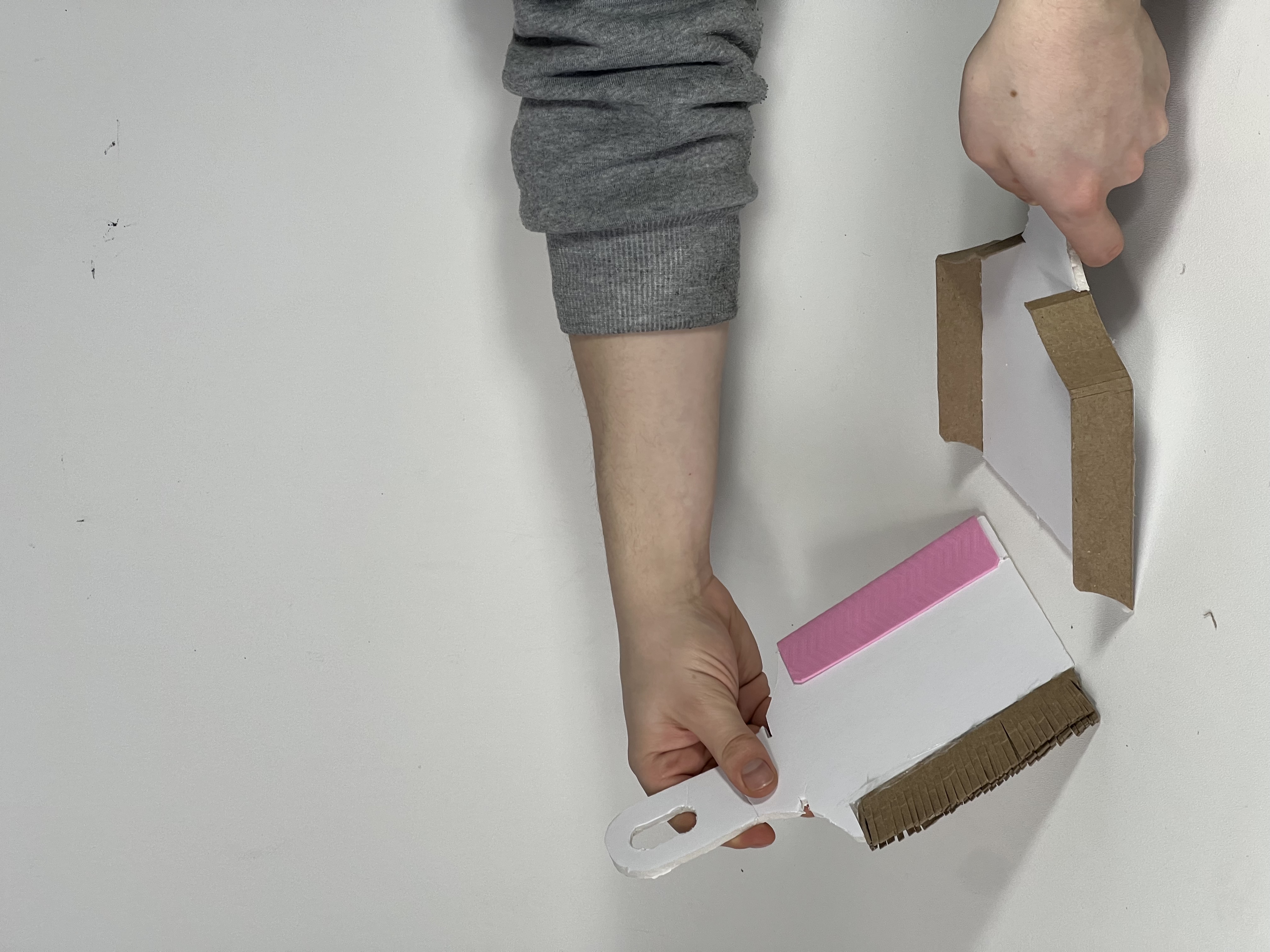
The scraper blade snaps out and back in. When it dulls, you replace only that part — extending the life of the handle and collector indefinitely.
Heavy, ergonomic scraper for stuck-on grime
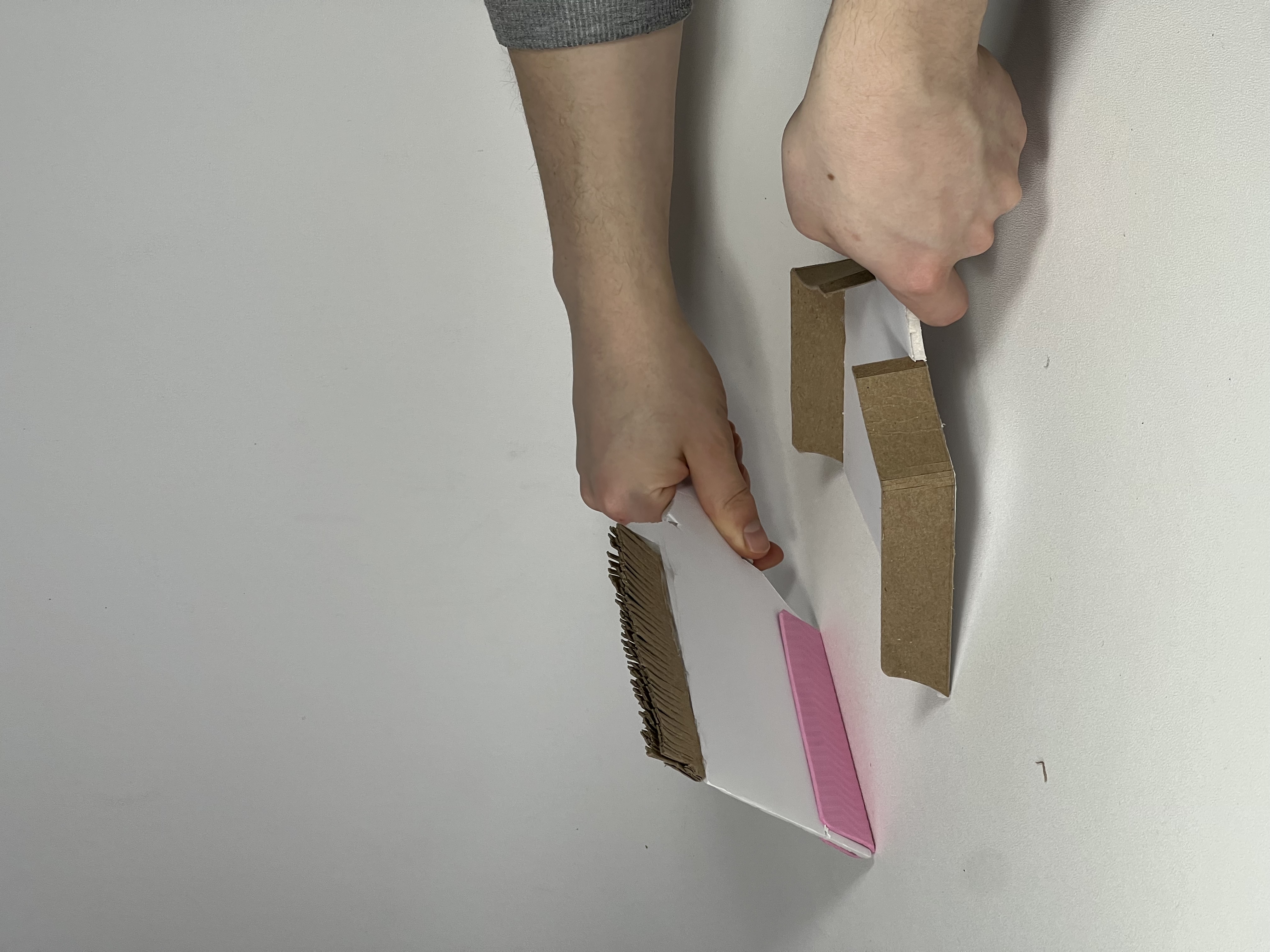
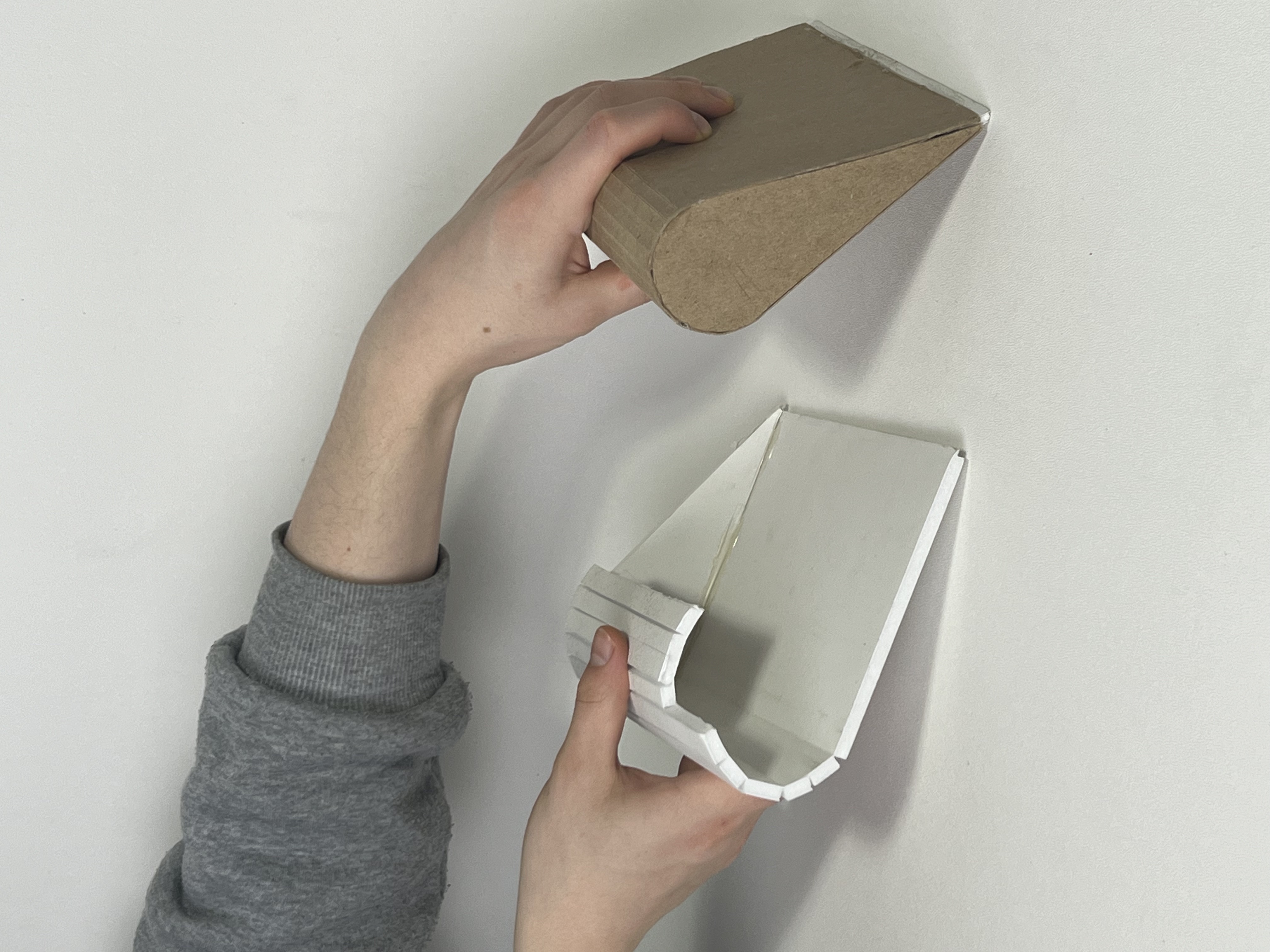
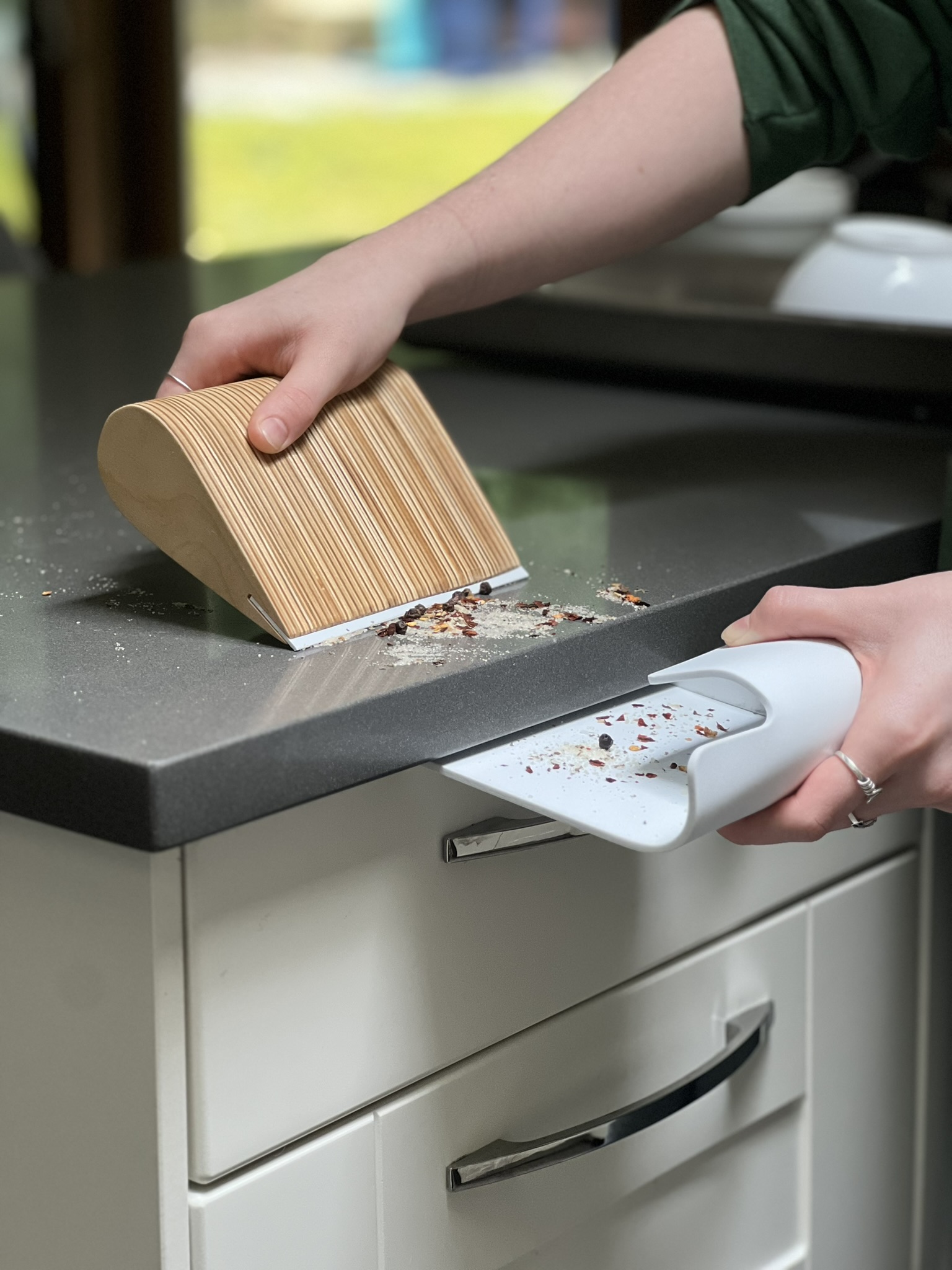
The swooped handle geometry puts your palm in control. Enough weight to tackle dried debris without needing excessive force.
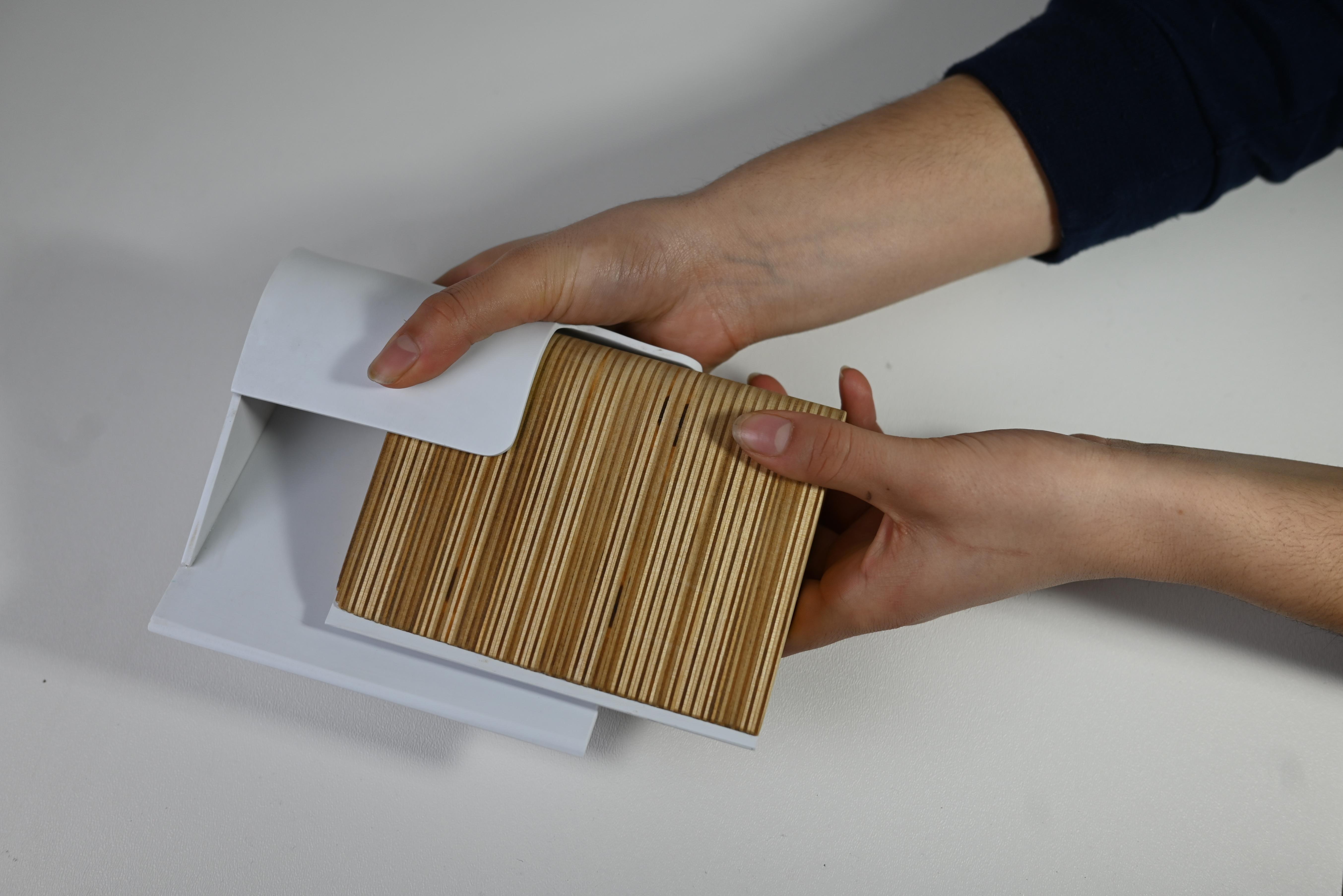
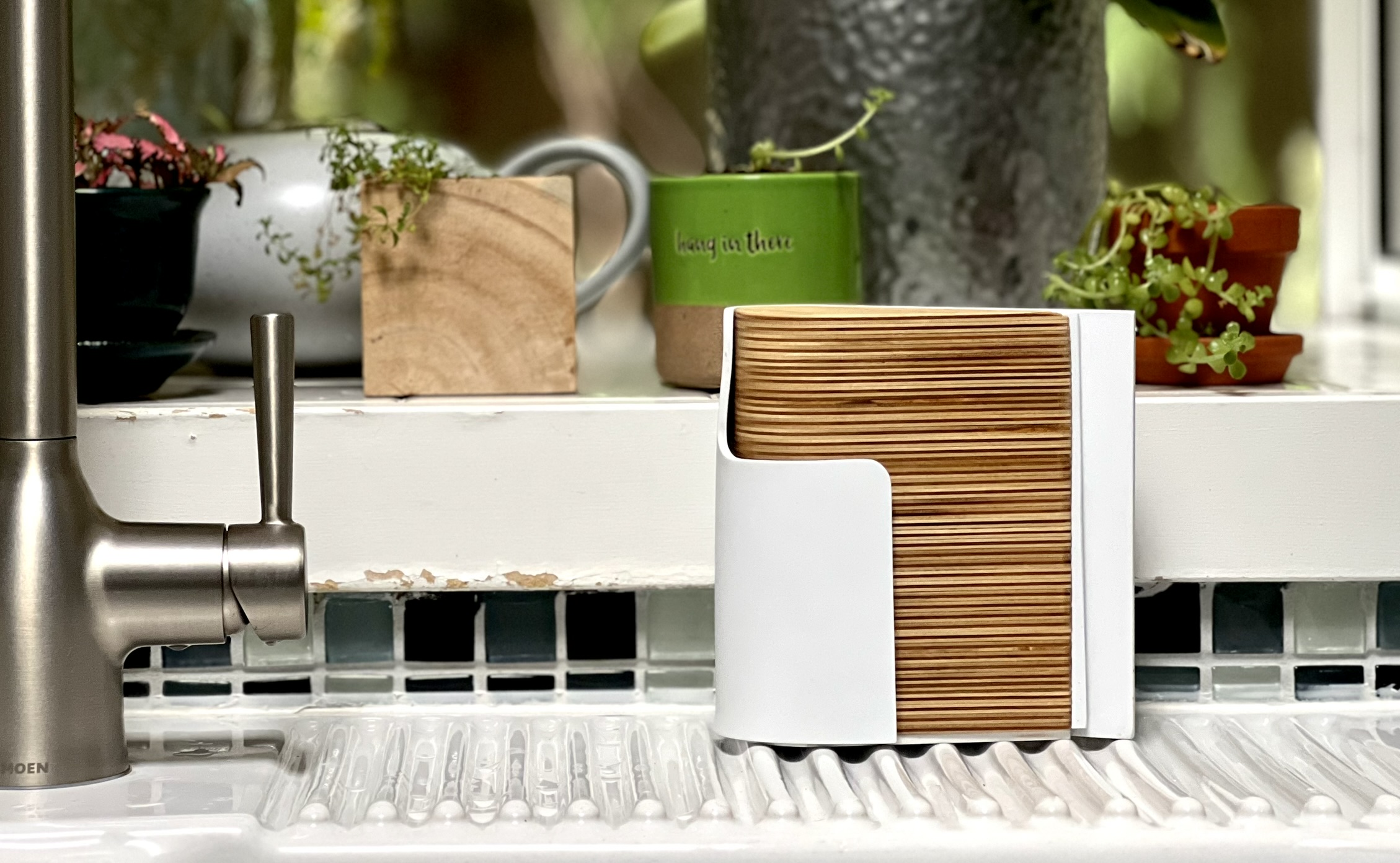
Easy nesting — they store as one
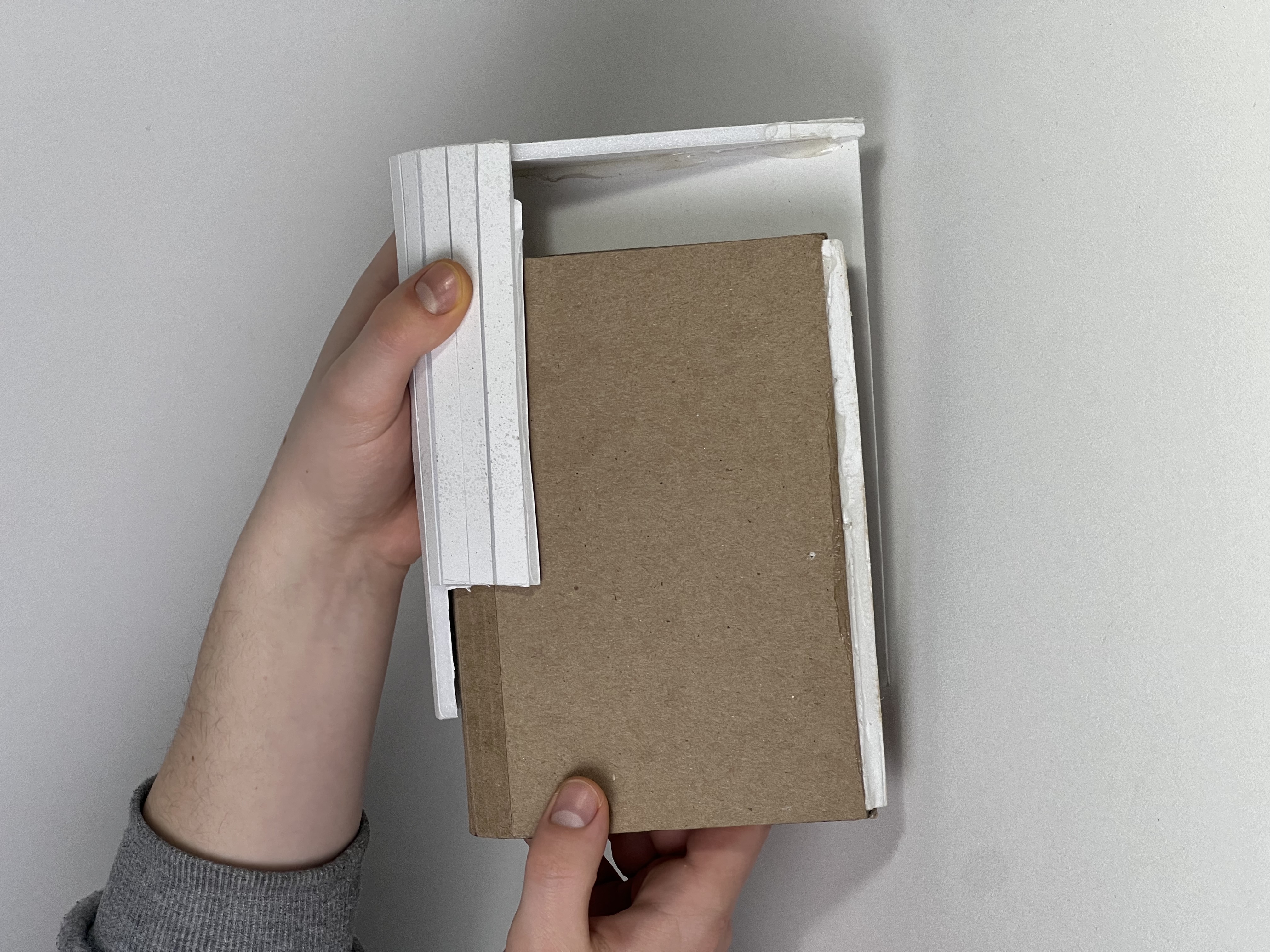
The scraper tucks into the collector's curve. The Wave form isn't decorative — it's the connection geometry. They sit together and come apart with one hand.
Cut-out slots prevent counter-lip spillage
Slots under the collector lip let it sit flush against a counter edge — debris slides in cleanly without bouncing back onto the surface.
05 — In Use
06 — Reflection
The four-model iteration process made the design significantly better at each step — committing to physical prototyping early, even in crude form, revealed usability problems that sketches couldn't surface.
Material contrast (warm wood vs. clean plastic) was the right call, but it had to be earned — understanding why each material belongs to each part gave the form rationale beyond aesthetics.
Feature fatigue is a real failure mode. Model 3 tried to do too much — cutting back to one clear job per part (scrape vs. collect) made the final form more resolved and more satisfying to use.
Designing the nesting geometry as the primary form constraint (rather than adding it at the end) was the key move — the Wave curve is simultaneously ergonomic, beautiful, and functional as a connection.
Get in touch
Let's work together