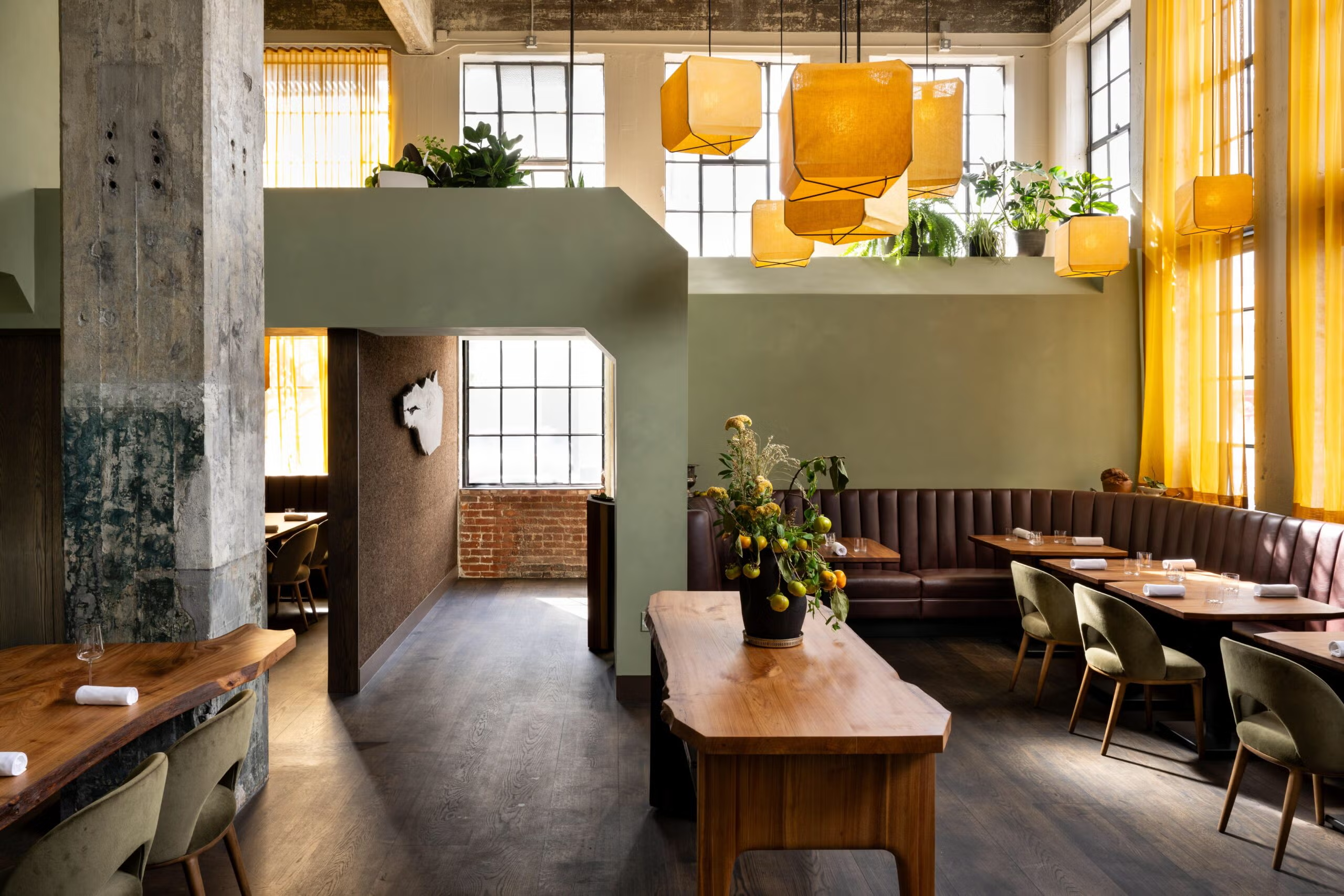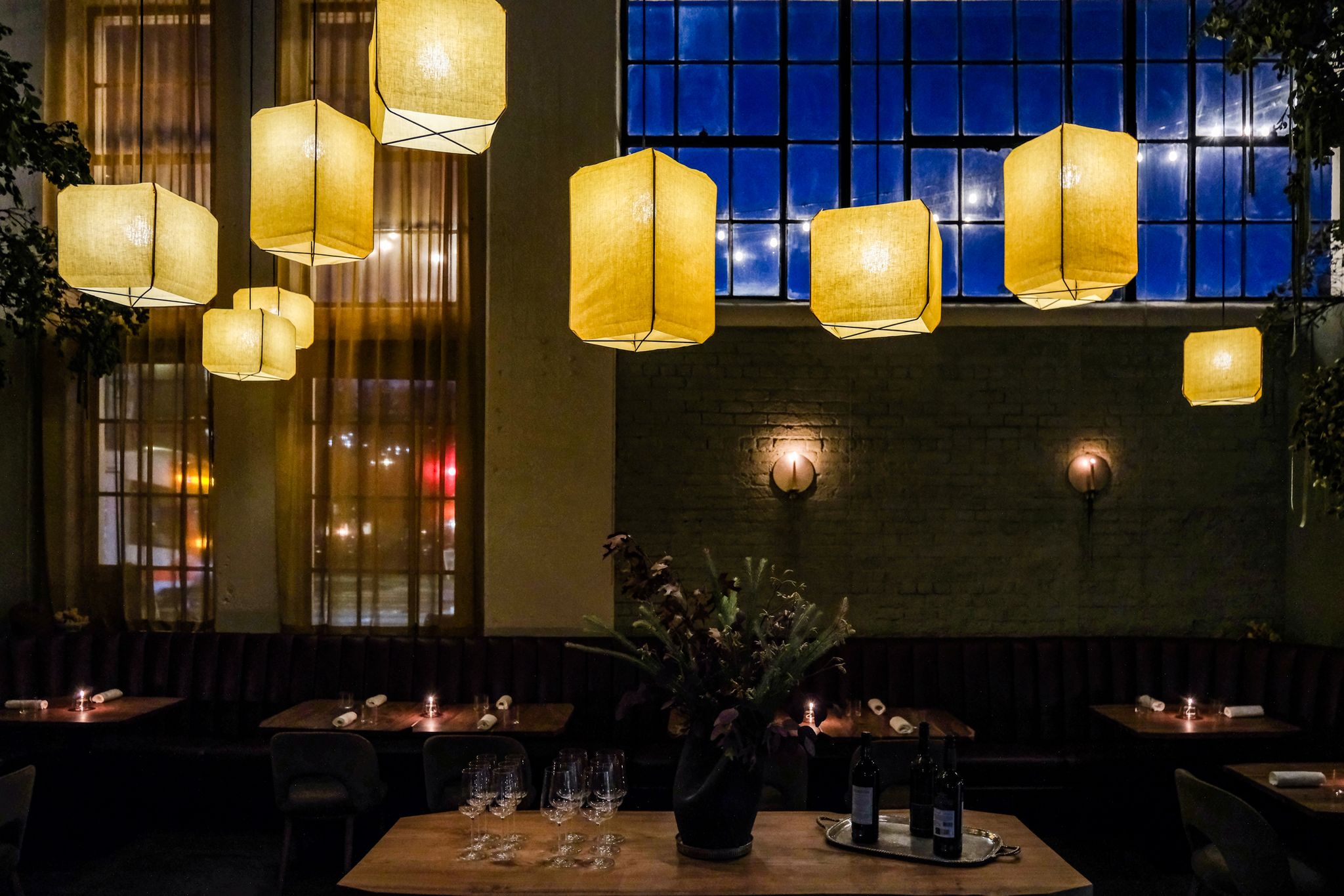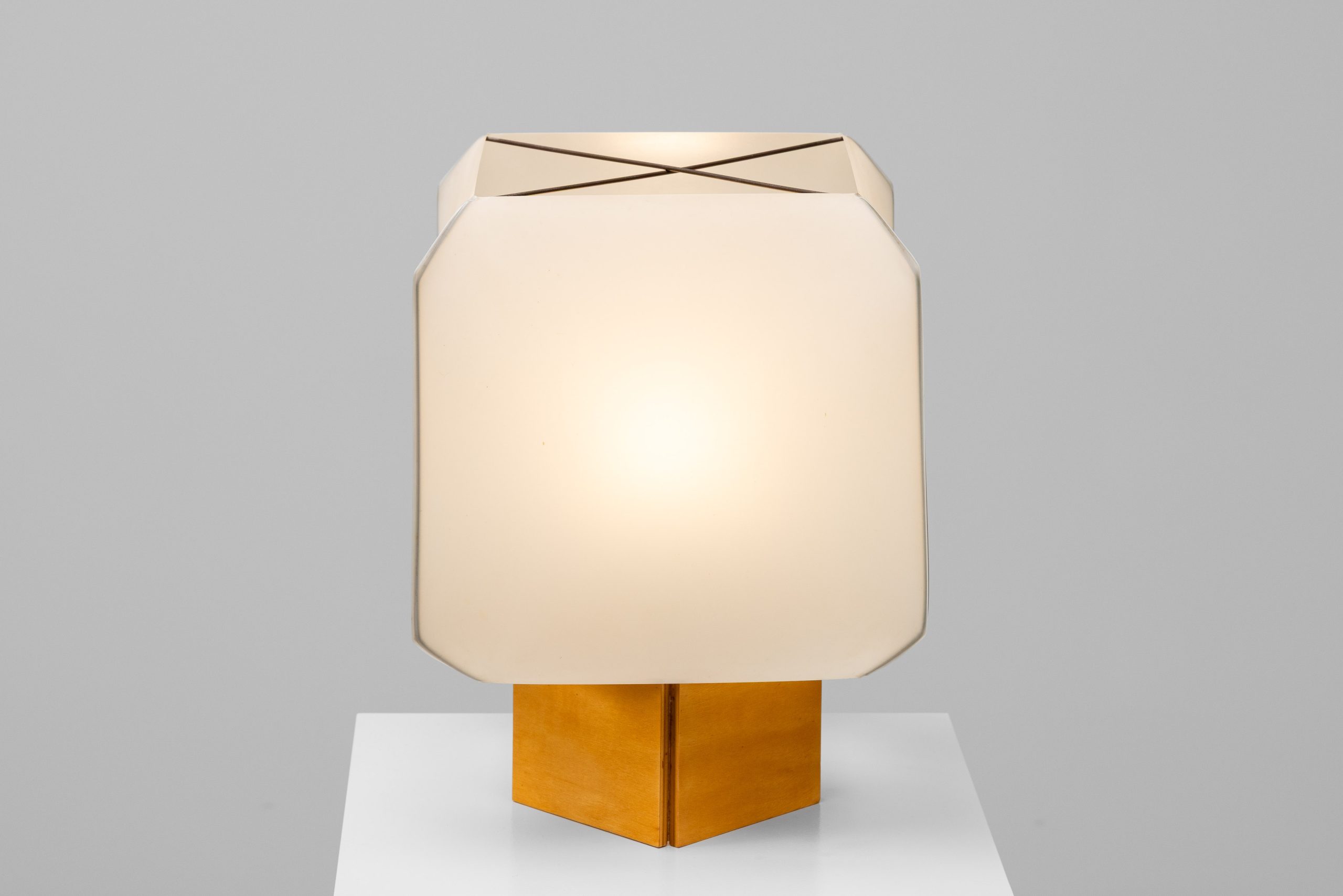
Pendant lights commissioned to light a high end restaurant, balancing material exploration, production constraints, and detail refinement.
Client's Needs
Personal Challenge
This project ended up not being about designing a light, but rather designing a system of production. There were 3 phases to the system:
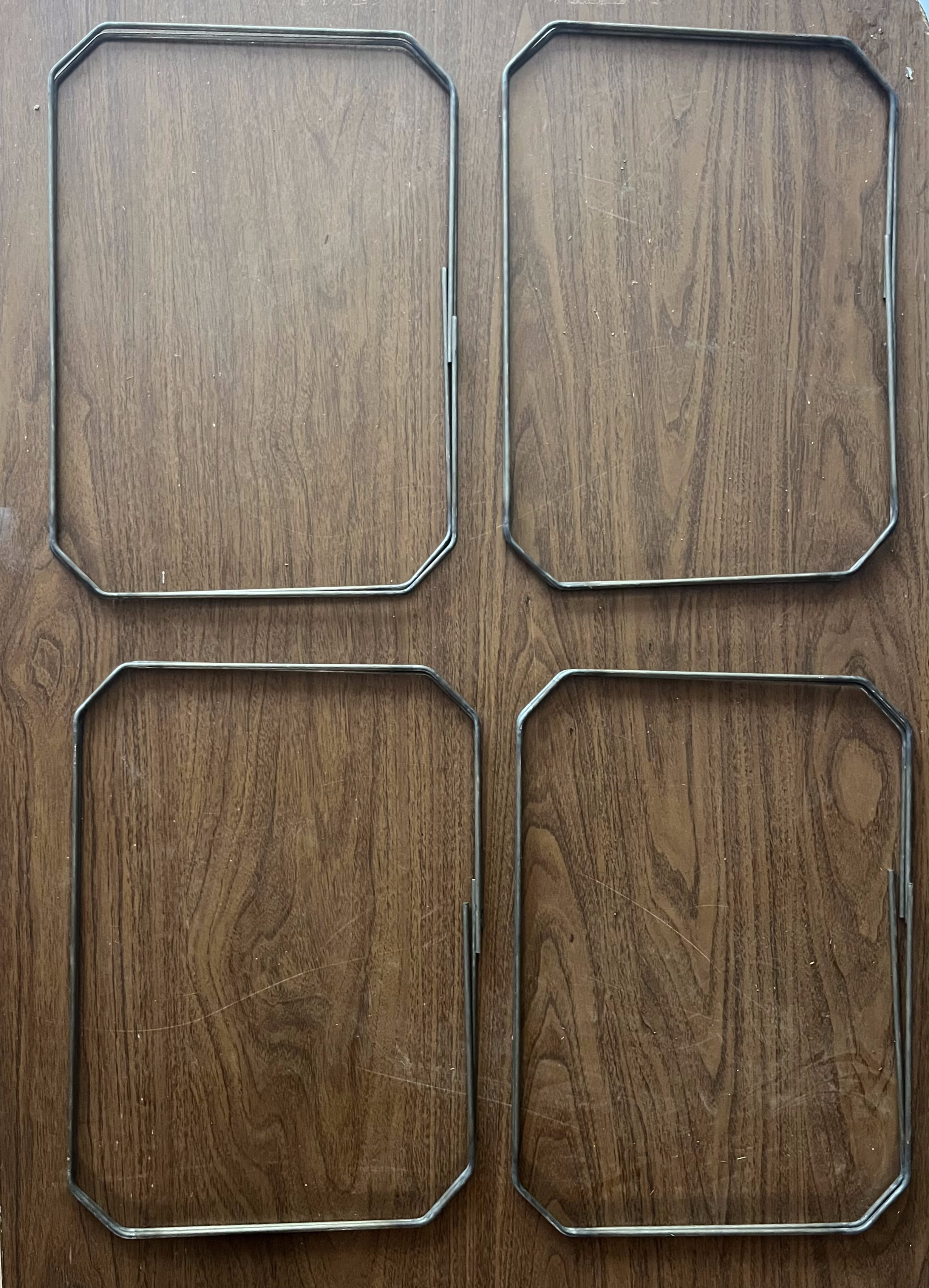
The Skeleton
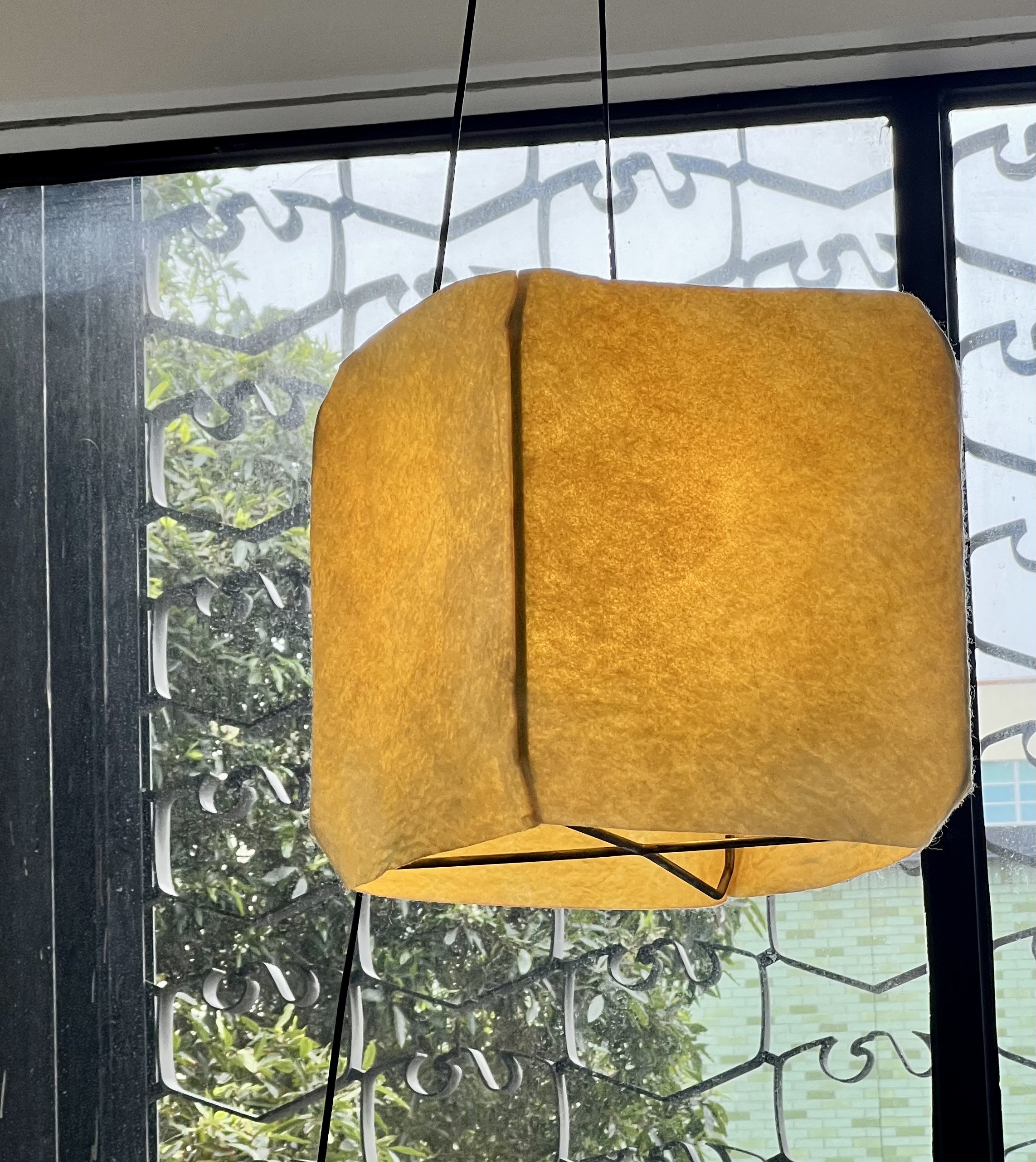
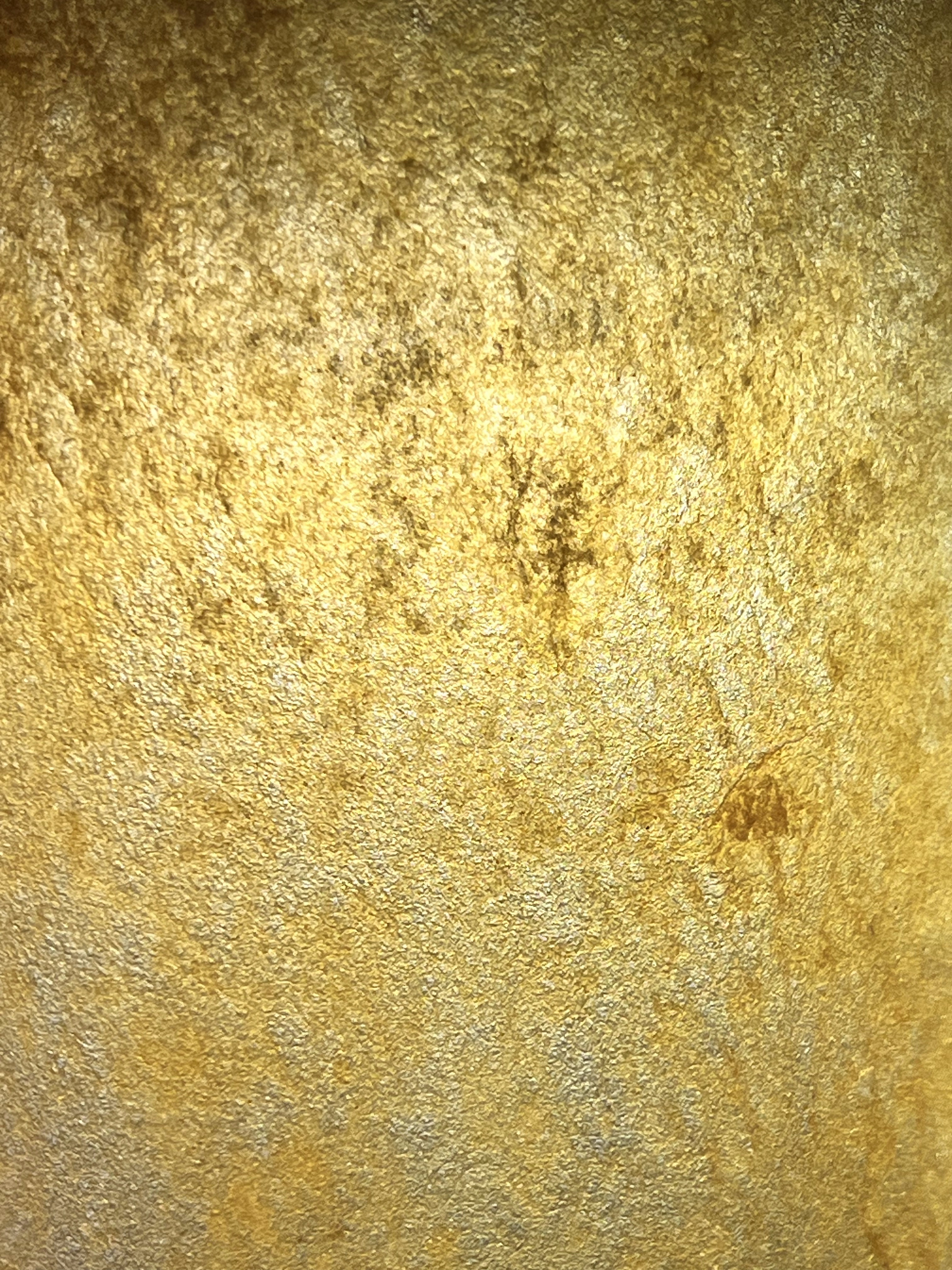
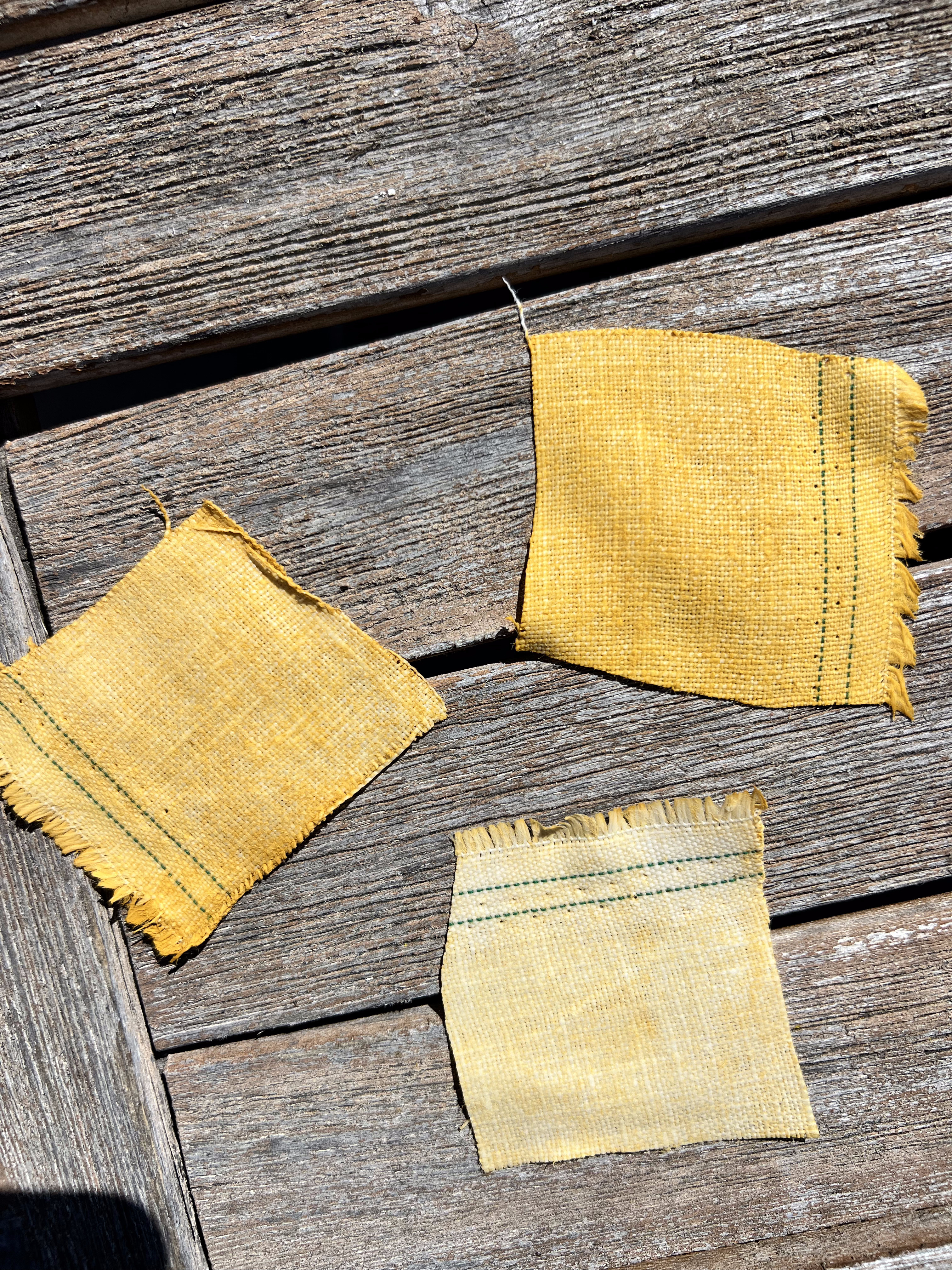
The Skins
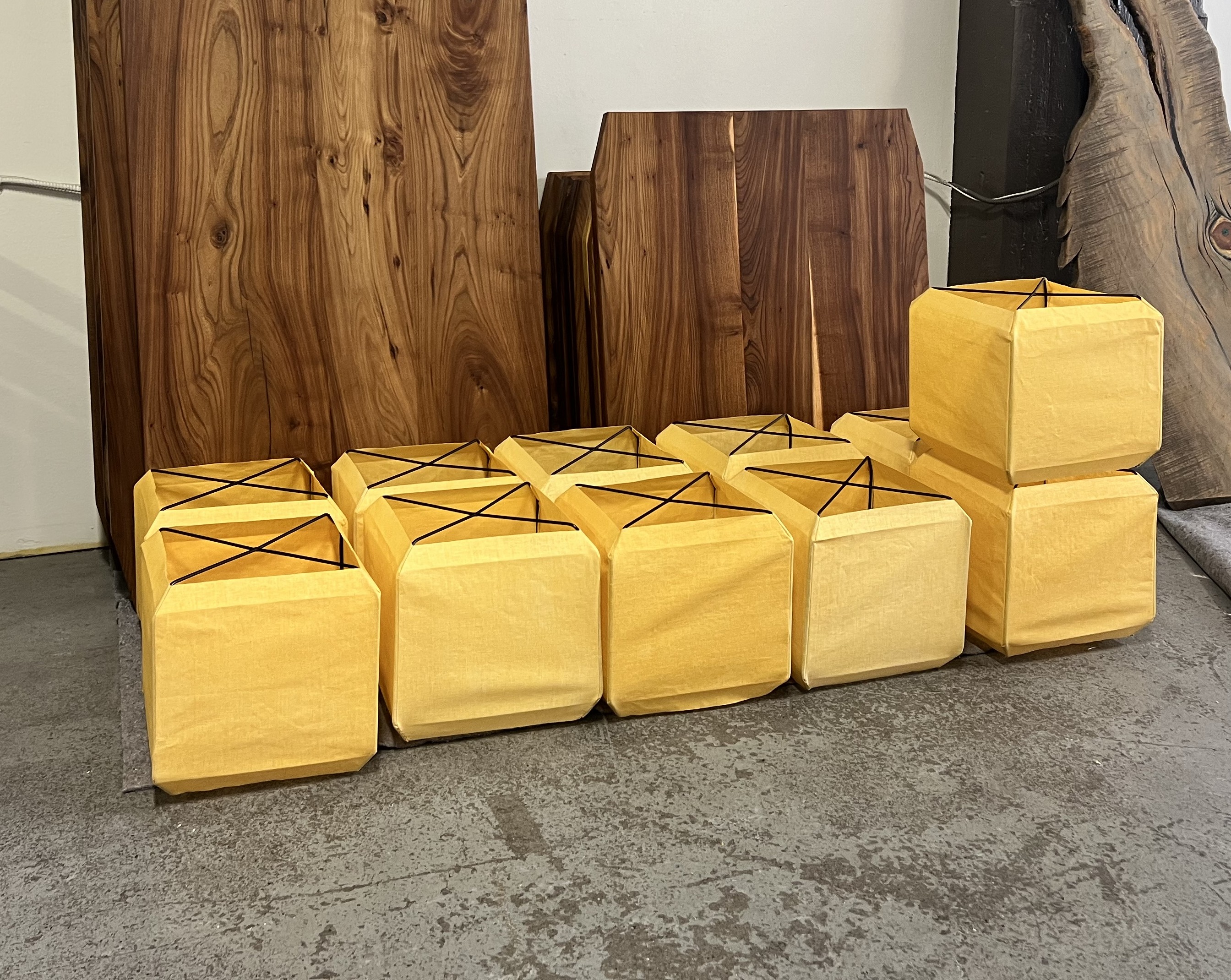
The Assembly
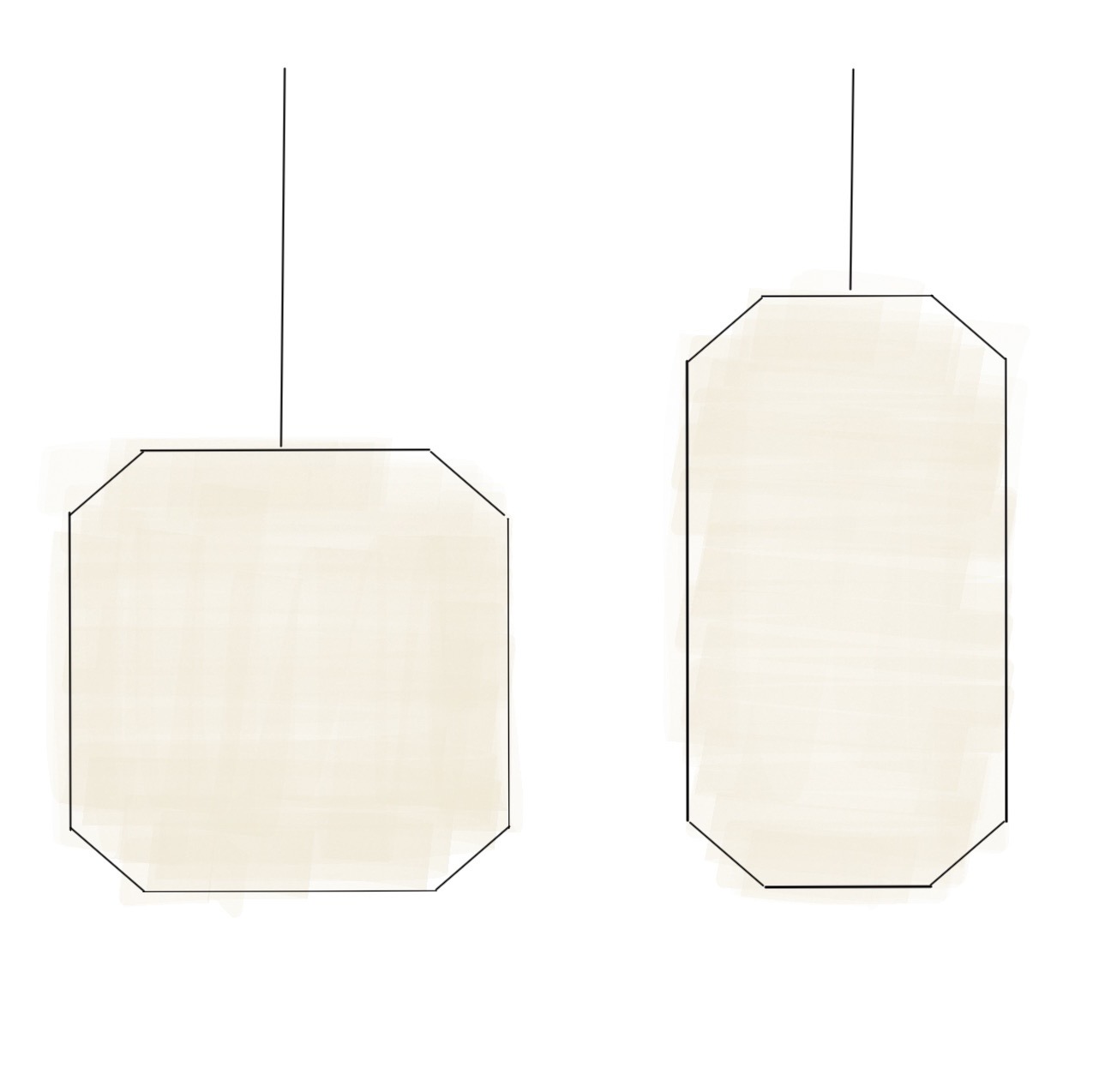
Rather than repeating a single cubic form, I proposed a range of proportions to introduce variation and rhythm across the space. The frame became the foundation for this flexibility.
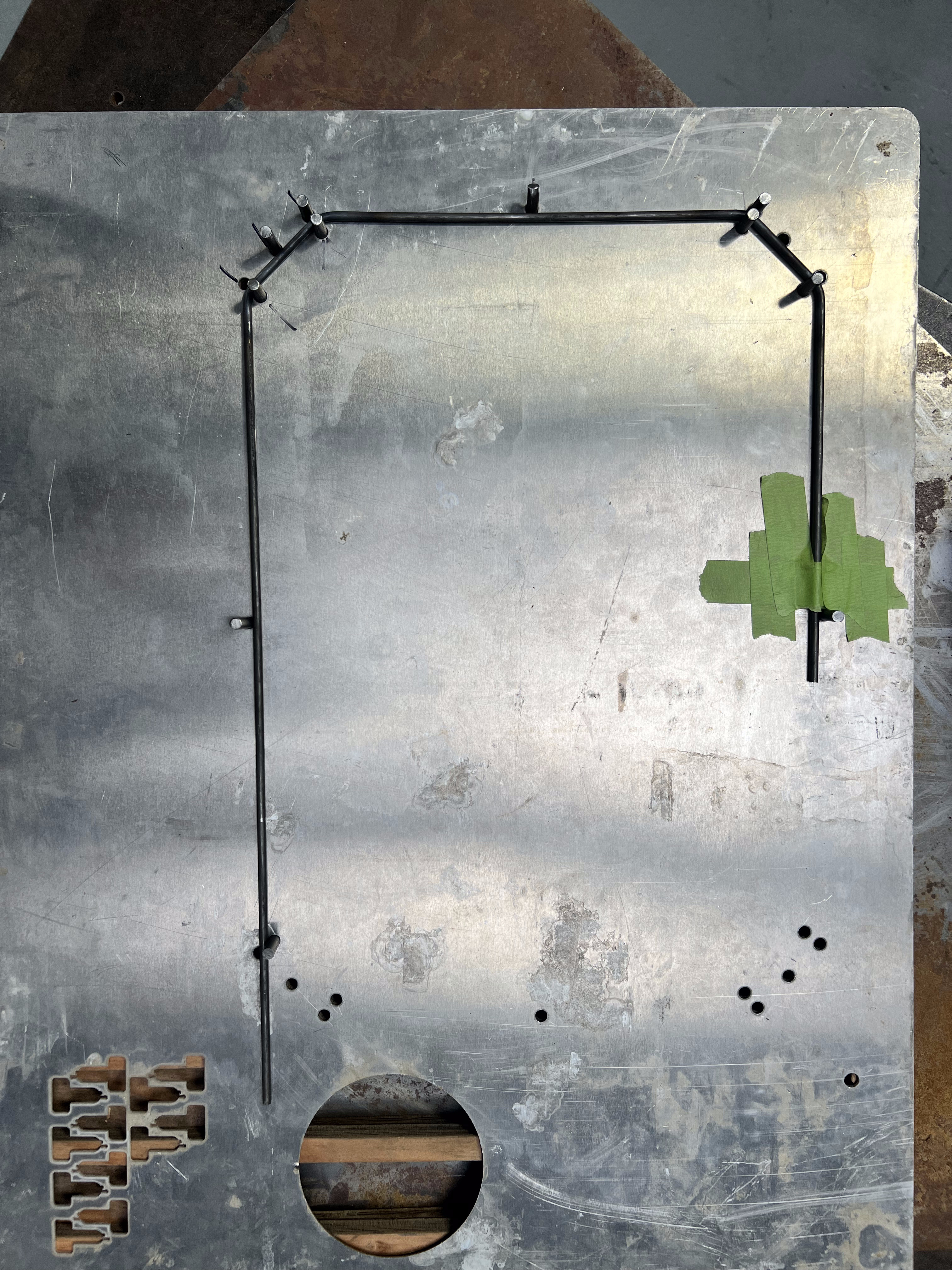
To achieve consistency across units, I developed a jig-based bending system for the round rod frames. Adjustable pegs defined the geometry, allowing the same setup to be reused across different proportions. A repeatable process — heat, bend, cool — ensured accuracy and reduced variation between parts. After iteration, the system produced near-identical frames at speed.
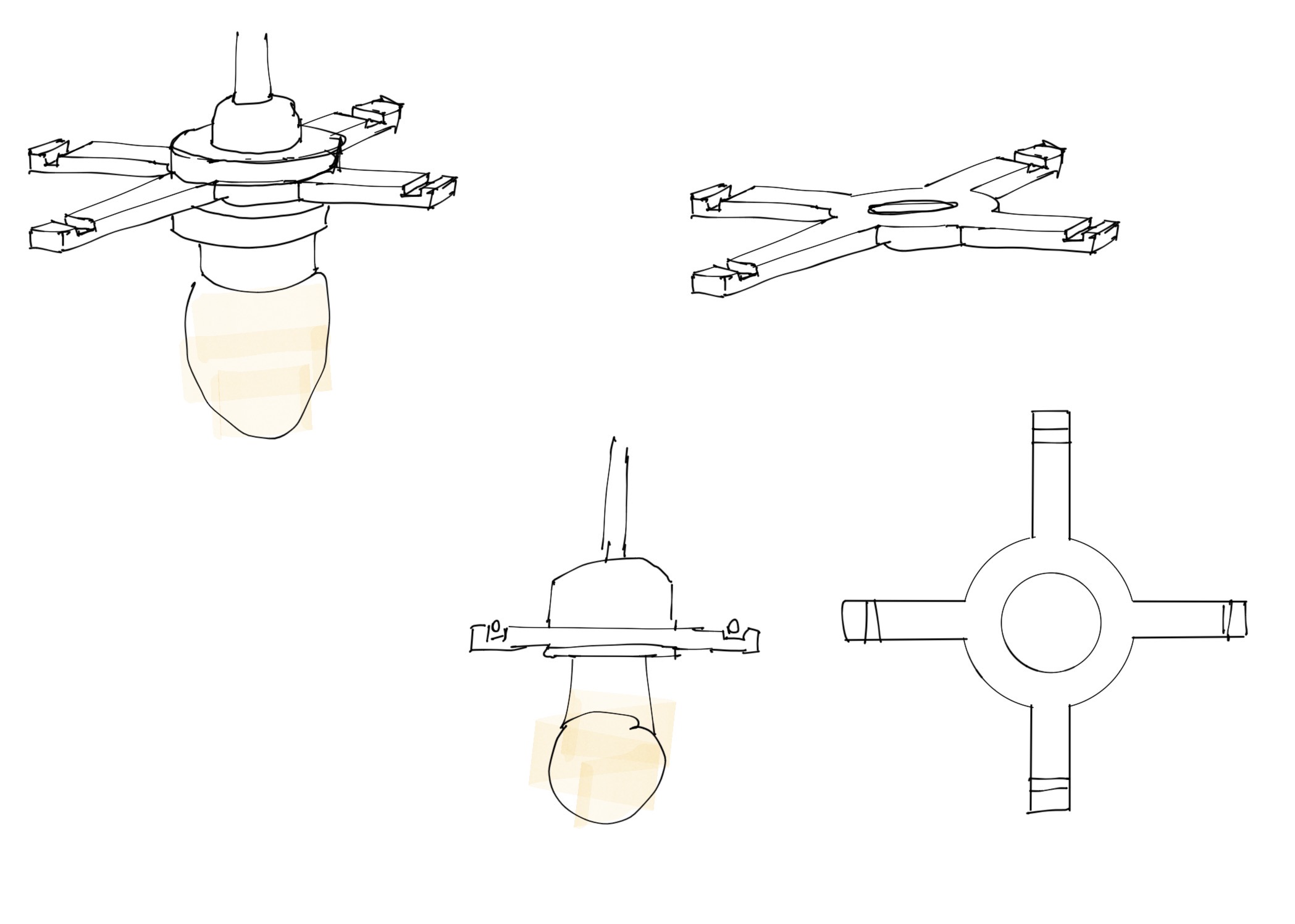
Frames were welded into final assemblies, then paired with a custom 3D-printed mount to precisely locate the light socket and conceal hardware within the form. A black sprayed finish unified the structure and receded visually, allowing the illuminated skin to take focus.
Phase 02
Phase 03
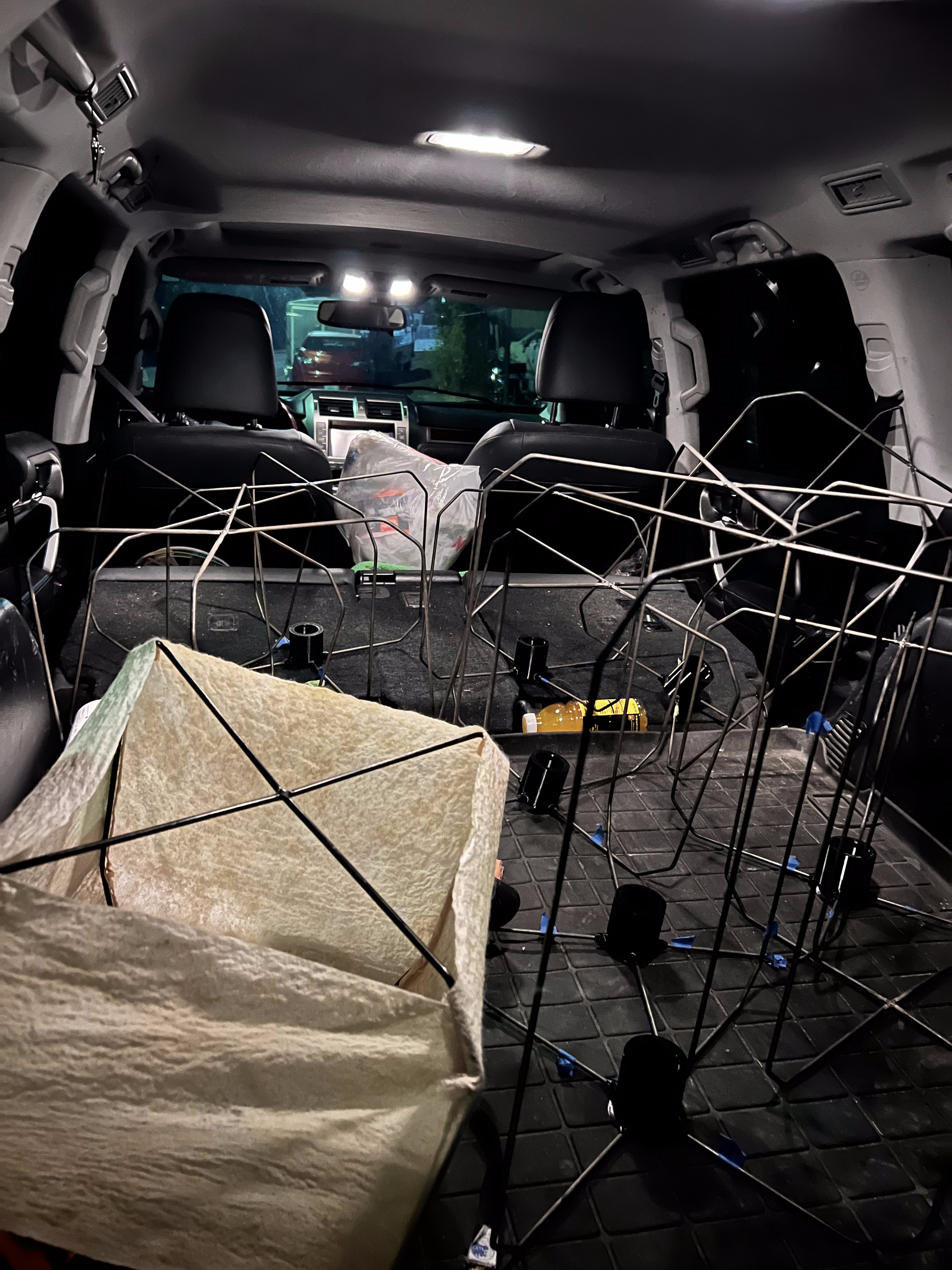
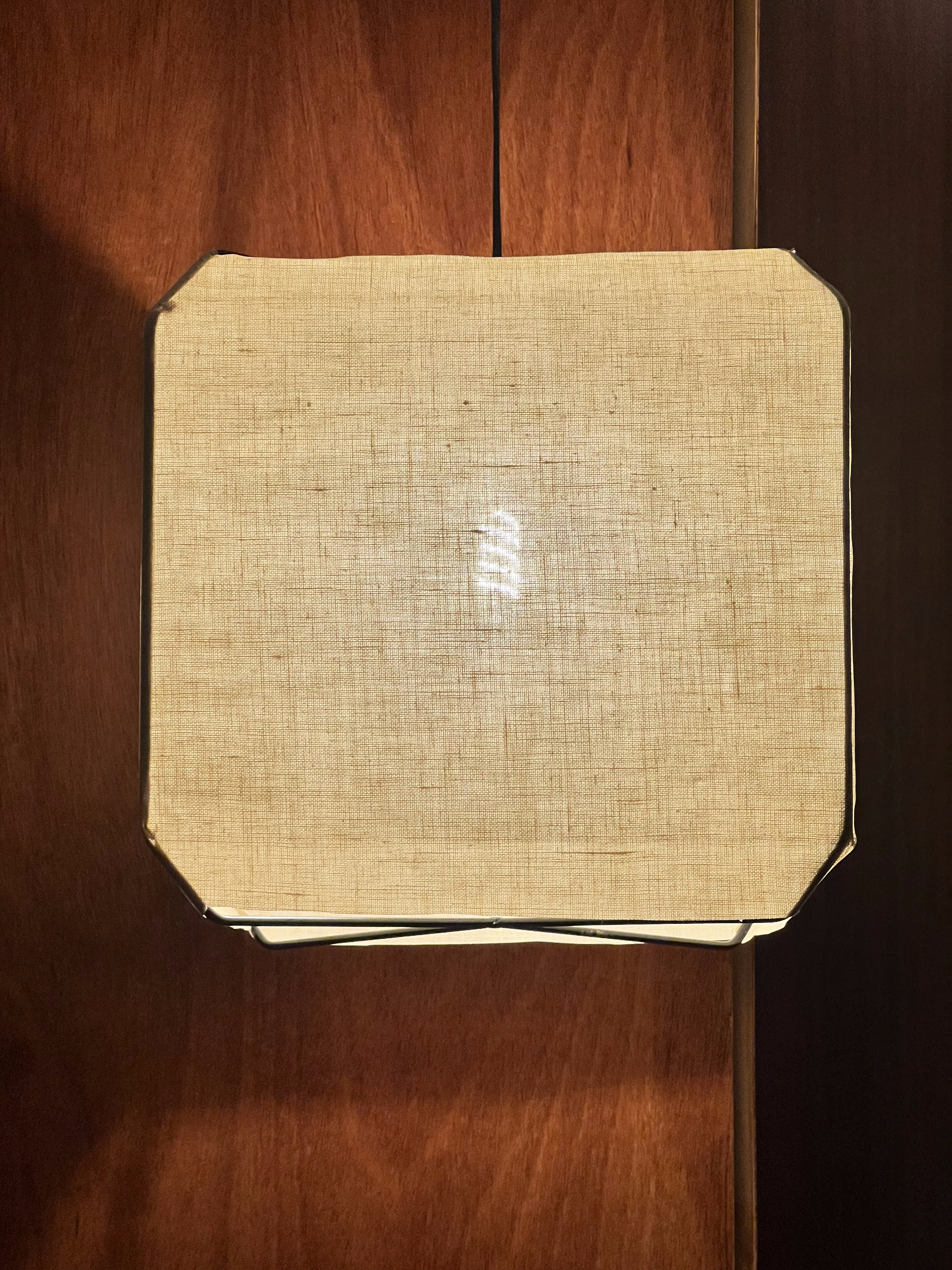
Assembly became an exercise in managing tolerance. Pattern shape, seam placement, coating, and tension all had to work together to preserve the light's sharp geometry. Through repeated adjustments to the stencil, coating process, and closing method, I developed a workflow that produced consistently tight, clean skins across all 18 units.
Producing one unit is easy — producing 18 that behave the same requires a system.
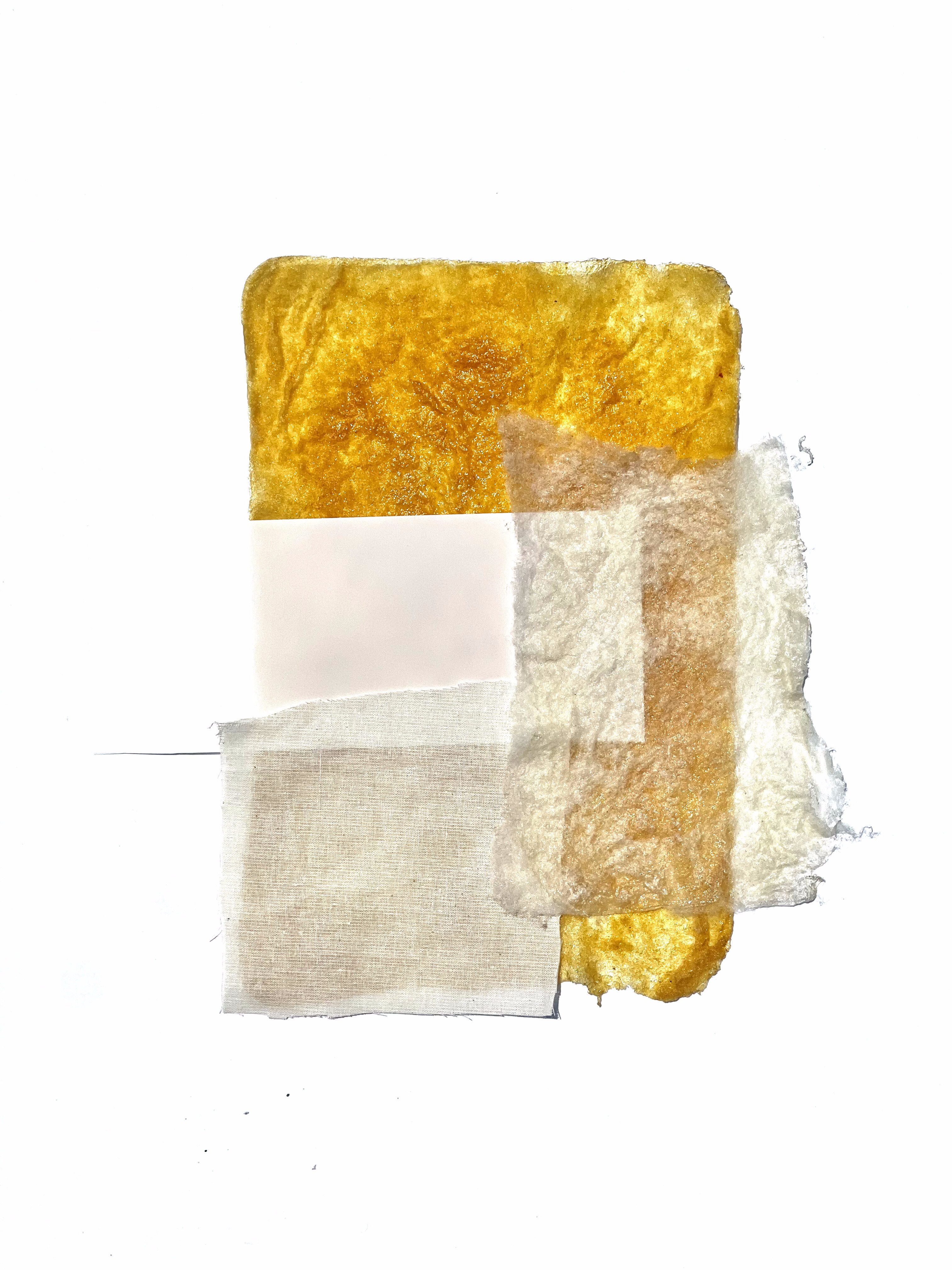
Plastic-free, flexible translucency is difficult to achieve; in real environments, durability ultimately takes precedence.
Biomaterials are highly sensitive to environmental conditions, making consistency and longevity a core challenge.
Designing for a client requires aligning vision with reliability through constant communication and informed compromise.
Get in touch
Let's work together